Gallery
Compositions built on the platform's own layer stack, in series.
Chart
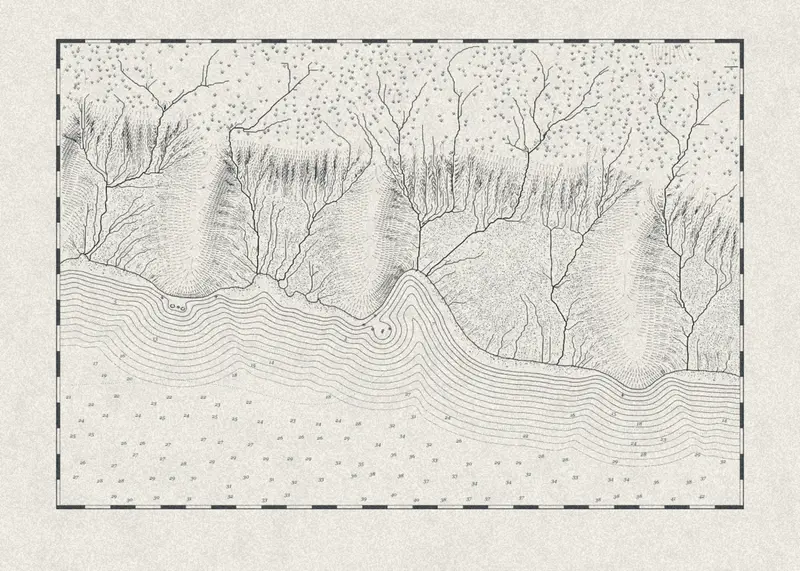
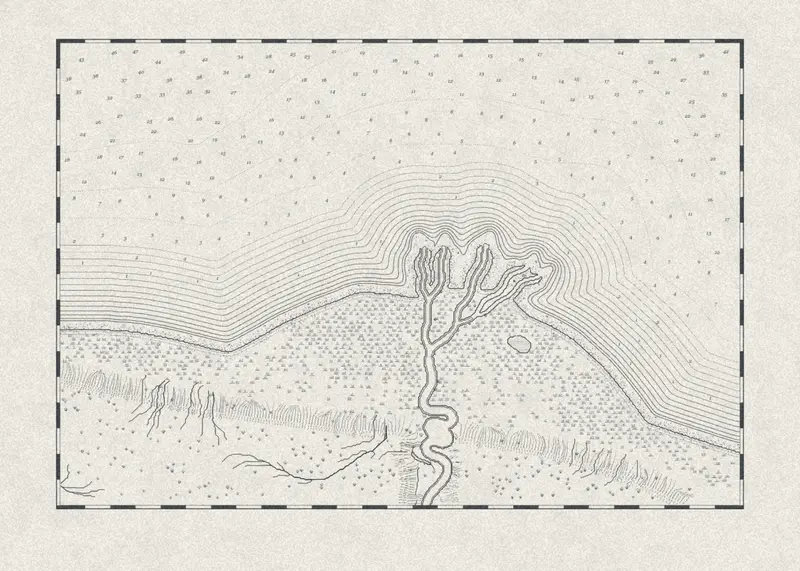
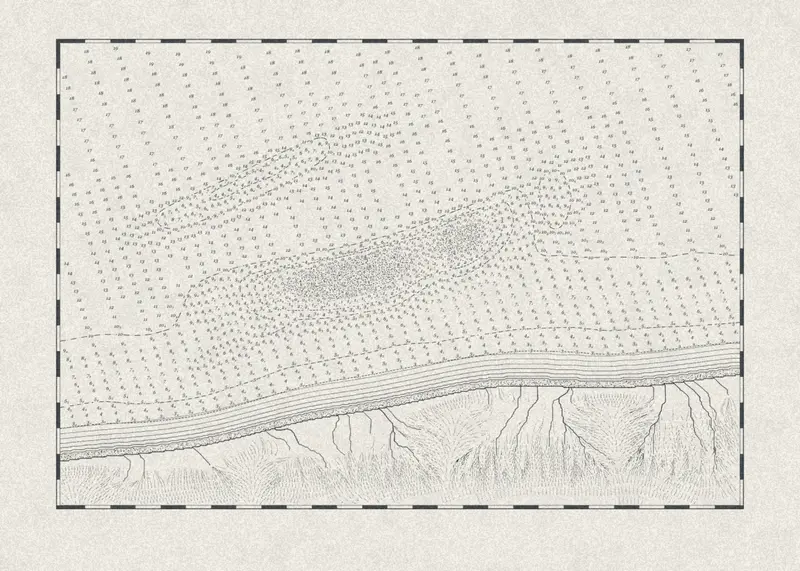
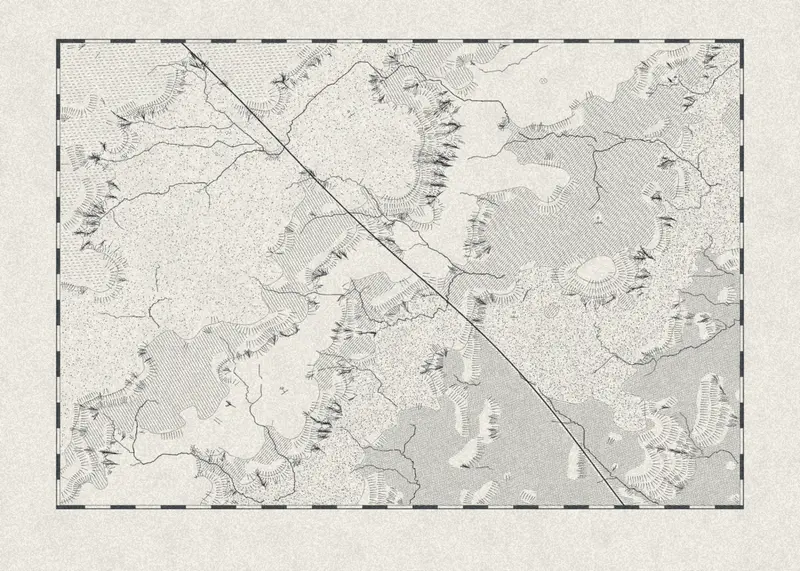
Engraved survey sheets of ground that does not exist, drawn in plan: from directly above, with no view and no horizon. A sheet takes the conventions by which a map shows what cannot be seen from above, such as relief by hachures and the fall of the seabed by water-lining, and draws nothing else. There are no names, no roads and no grid. Cool slate on an off-white sheet, so a survey is never mistaken for a view.
Cover
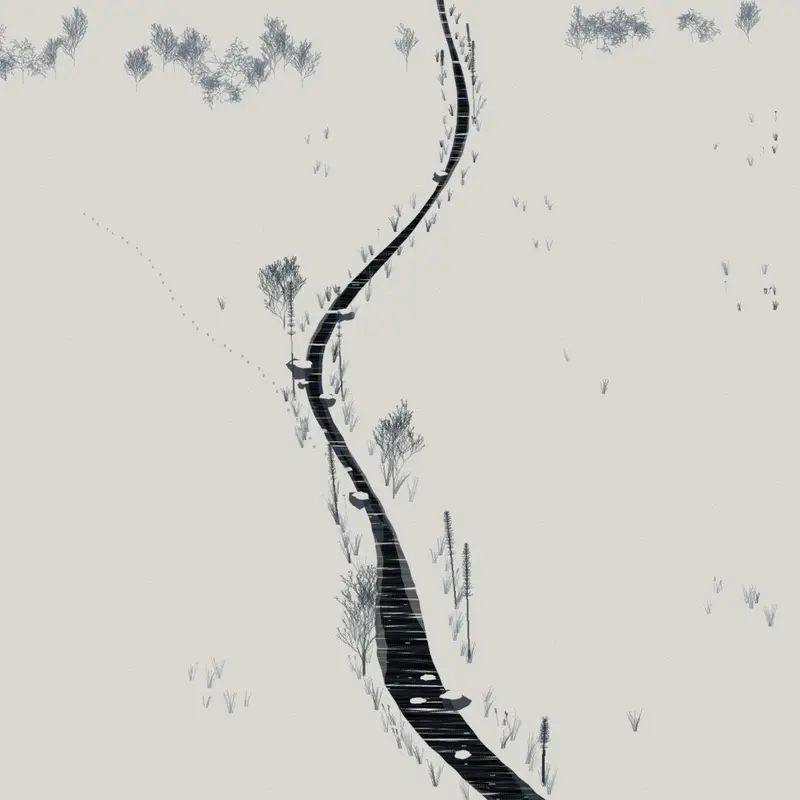
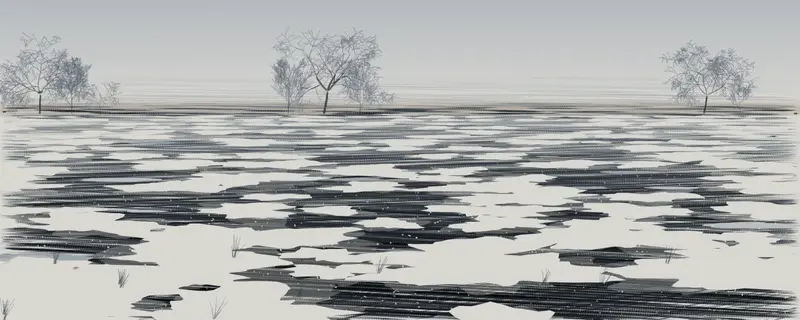
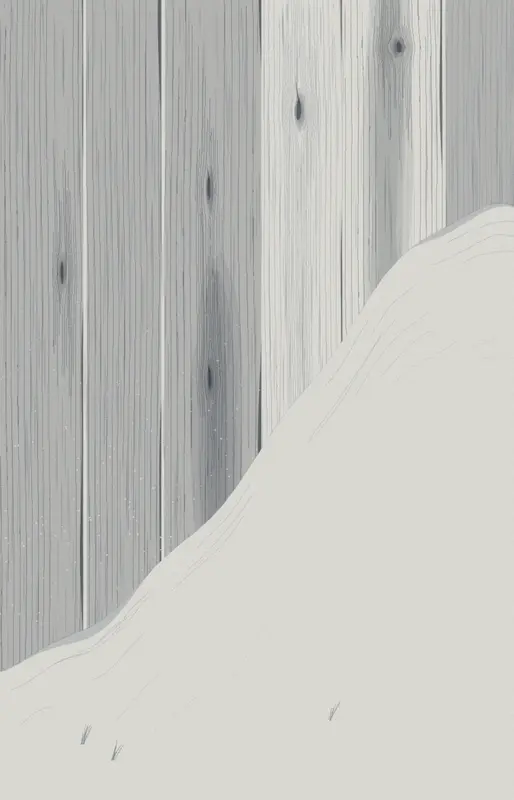
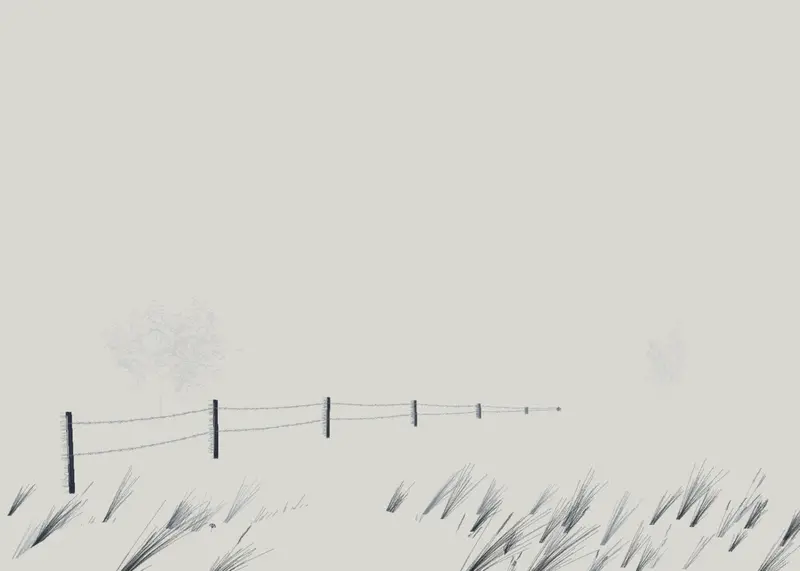
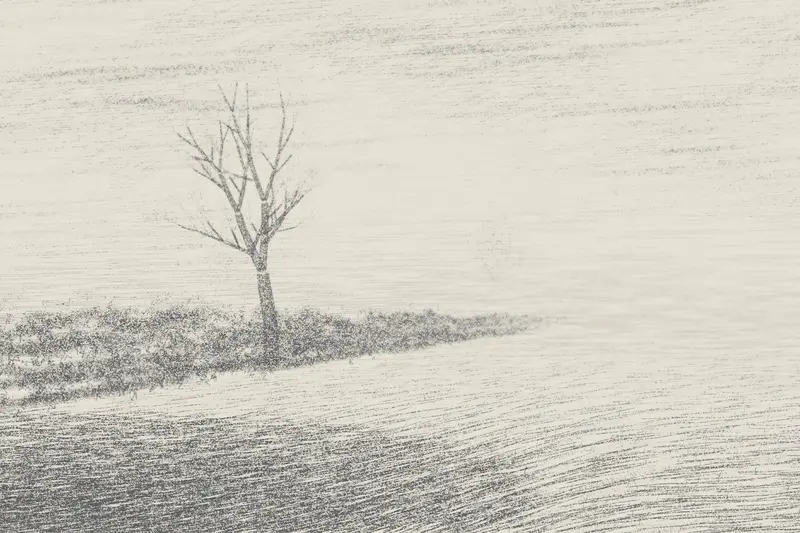
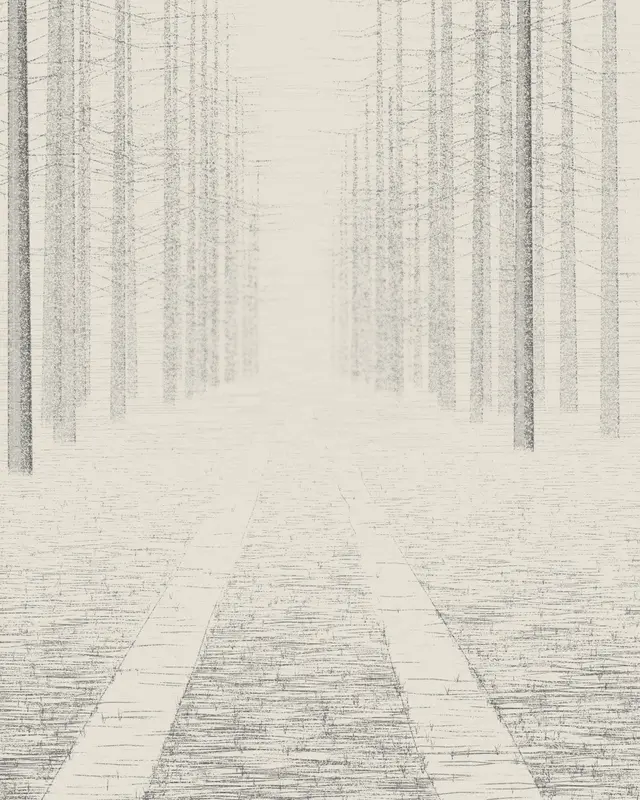
Snow. The paper is the snow, and every mark is something the snow has not covered: a stalk standing through it, a furrow ridge, a hedge line, a wall face the wind keeps bare. How much ink a place carries measures how much of it is still exposed, and nothing is dark for effect. The palette is paper and two greys, with one warm note used once in the whole series, the low sun over its one open horizon. Each piece stands somewhere different and is framed differently, looking down into new snow, out across a thaw, up against a drifted wall and into a whiteout, so the restraint is held in the palette and the marks rather than the camera.
Engraved
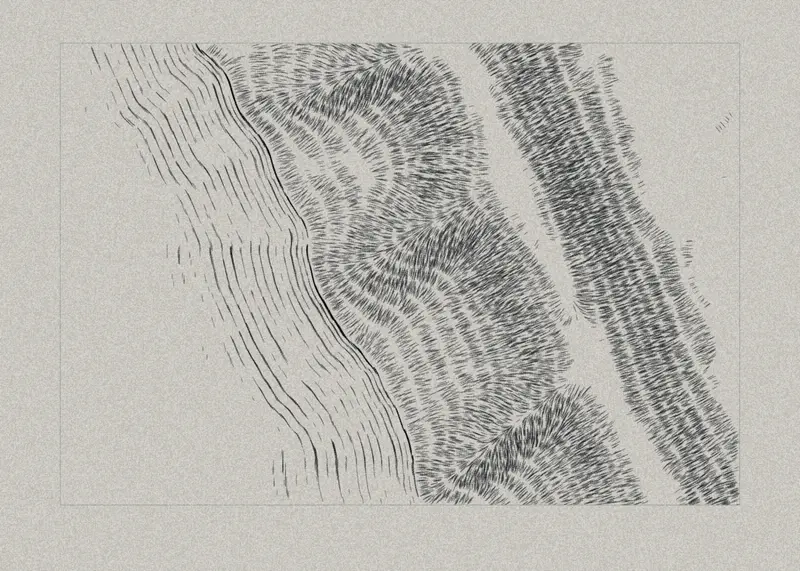
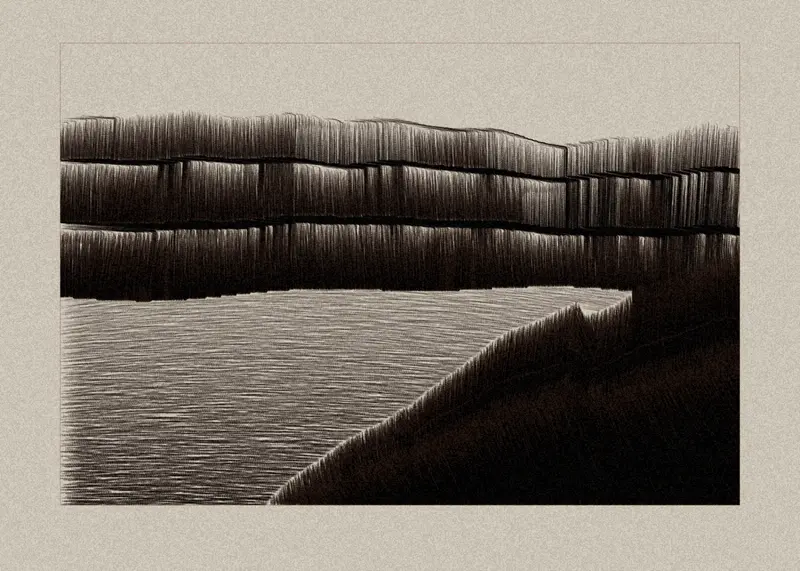
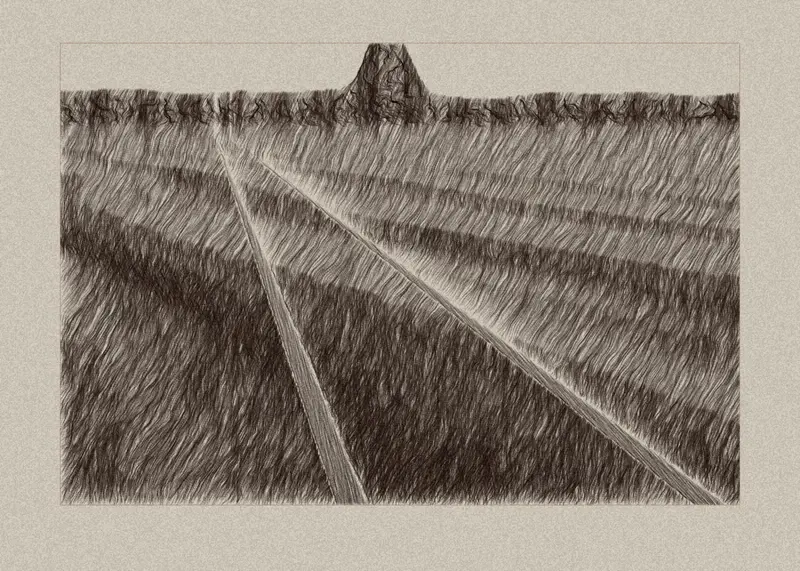
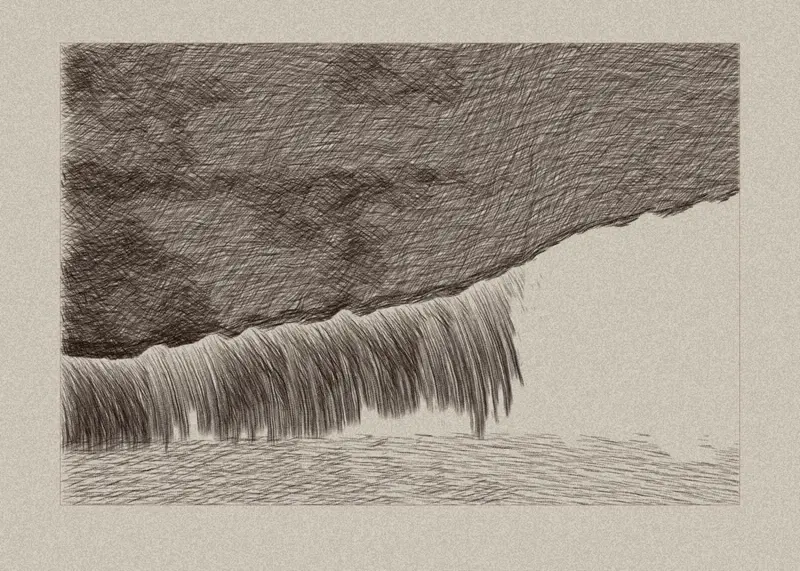
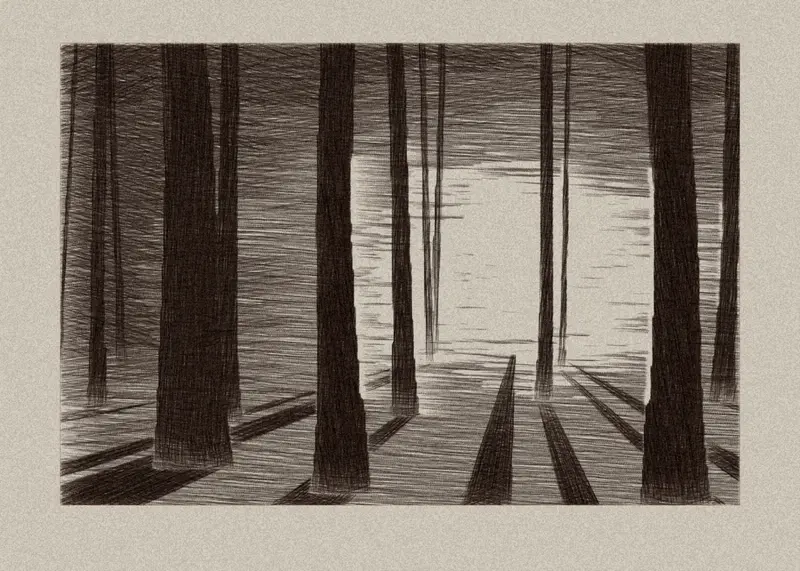
Four plates in one hue family, drawn entirely in line. There are no fills anywhere in this series: every value, from bare paper to the deepest shadow, is made by how densely lines are laid and how many times a pass returns over the same ground. Each plate is printed inside its own impression, with the sheet left bare around it.
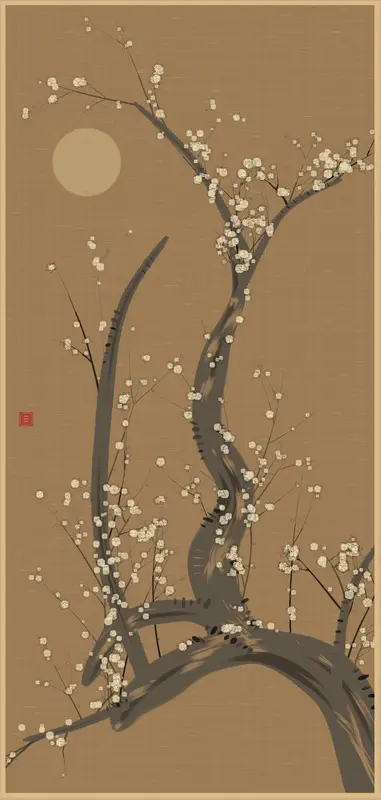
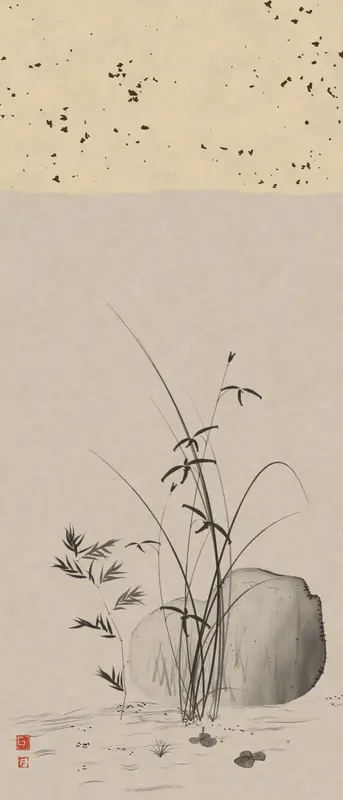
Four Gentlemen
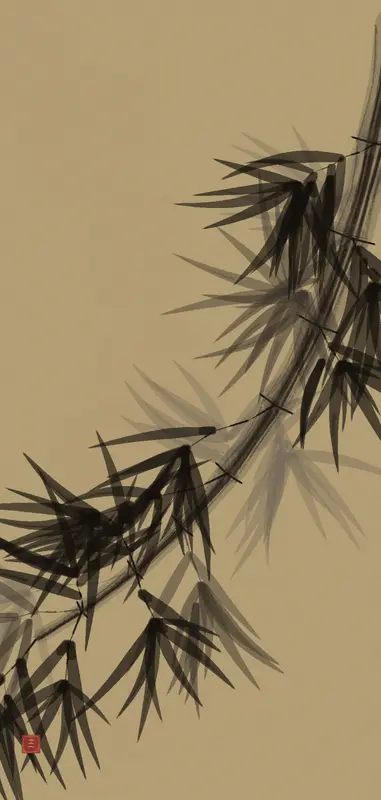
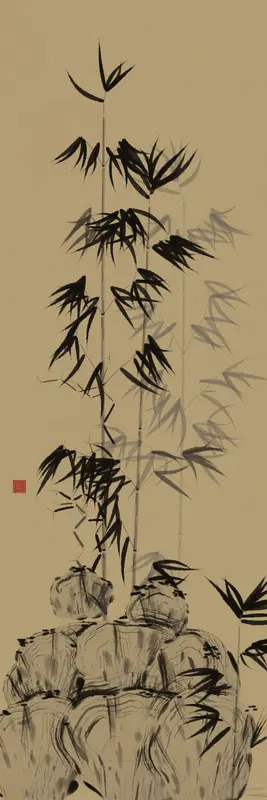
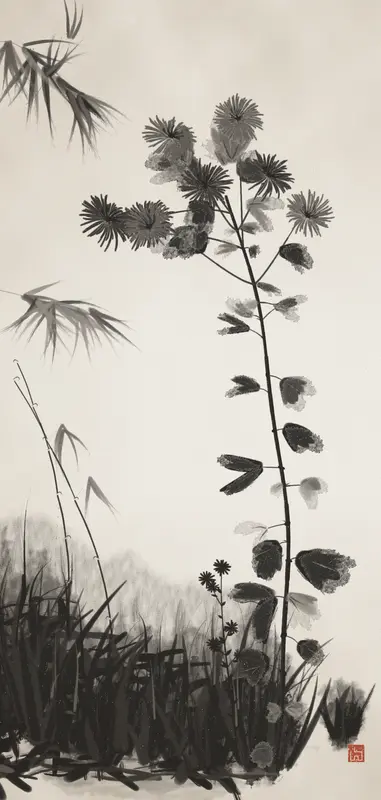
The Four Gentlemen of Chinese literati ink painting: plum for winter, orchid for spring, bamboo for summer, chrysanthemum for autumn. Each subject has its own fixed brush vocabulary, and each work here is built after a named Yuan painting in that tradition, from the strokes the tradition names: one ink in a few dilutions, paper or silk left empty as part of the composition, the subject entering from an edge, and one red seal as the only colour. The seal is an abstract carved mark, never invented characters.
Stained Glass
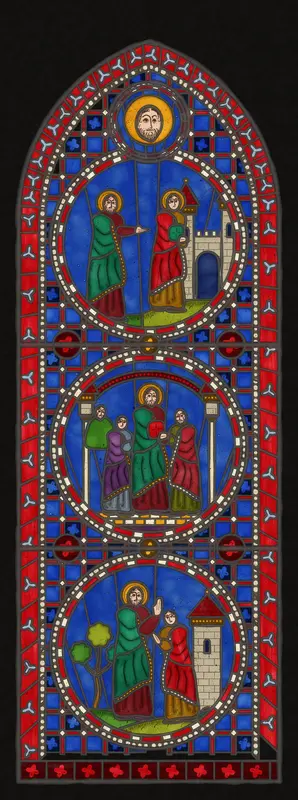
Medallion windows and scene roundels in the manner of the glaziers of Chartres, Laon and Canterbury around 1200. The picture is made of light passing through coloured glass, not paint laid on a ground: each piece is pot-metal glass coloured through, thicker and darker in its clouds, pitted at its edges; vitreous paint only blocks the light, traced for faces and folds and scraped back for highlights; and lead holds every piece and draws every contour. Each scene is composed before a piece is cut, figures overlap their frames and one another, and the setting names the place with as few pieces as will carry it. A seed reglazes the same cartoon.
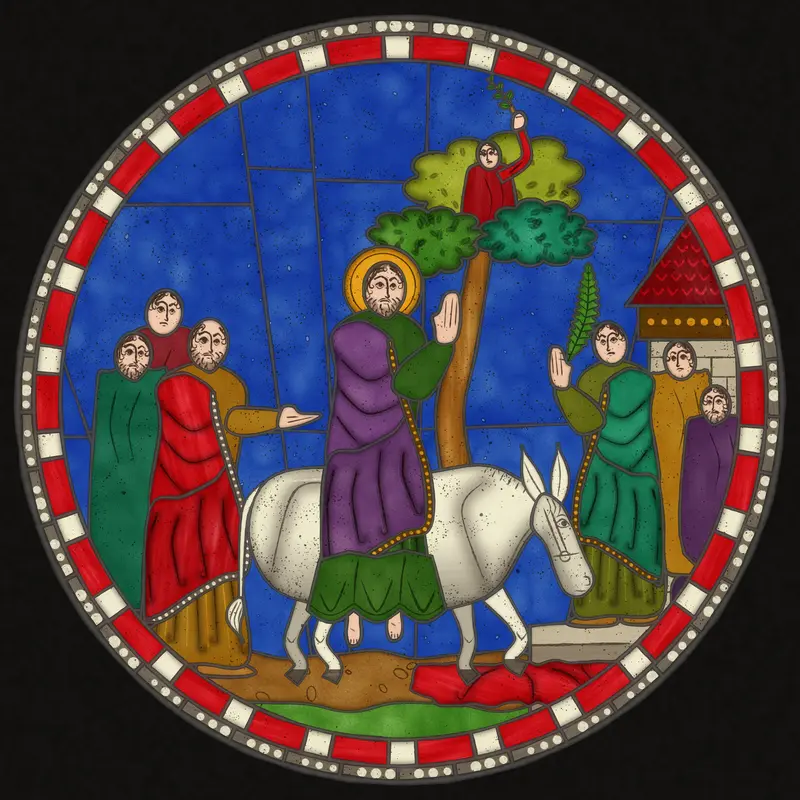
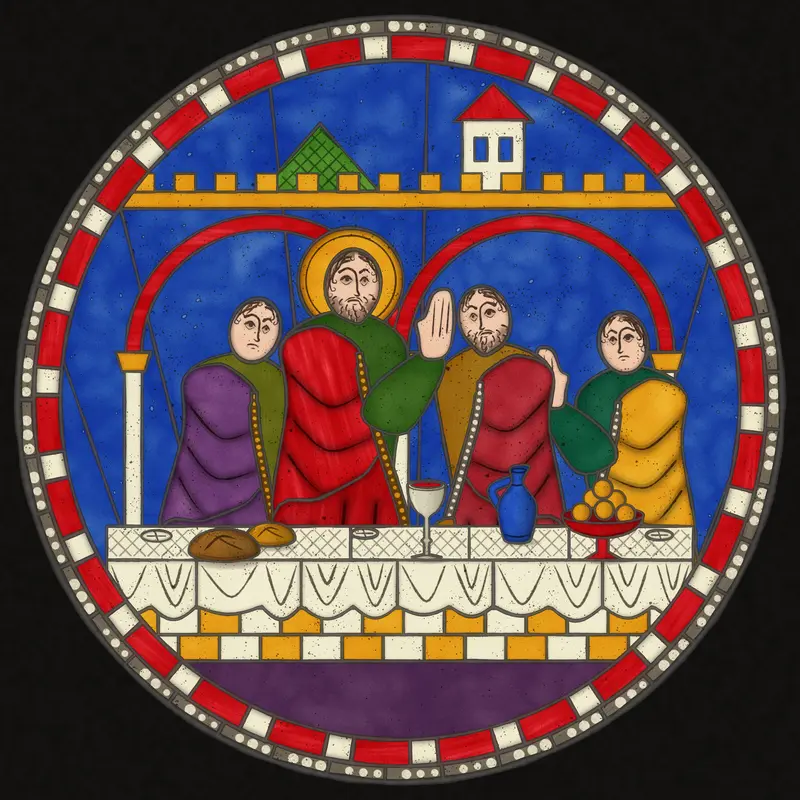
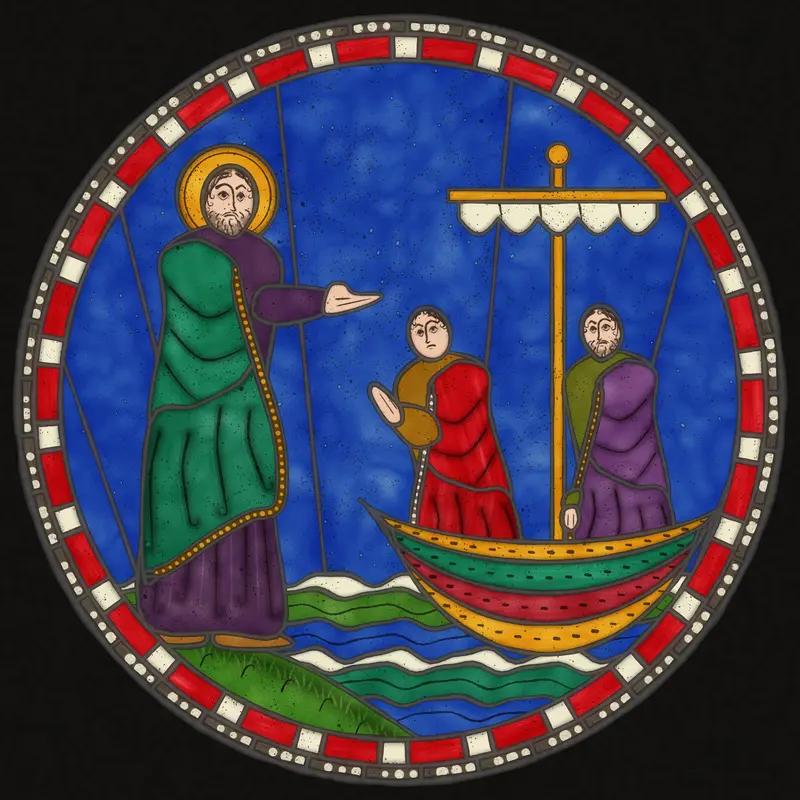
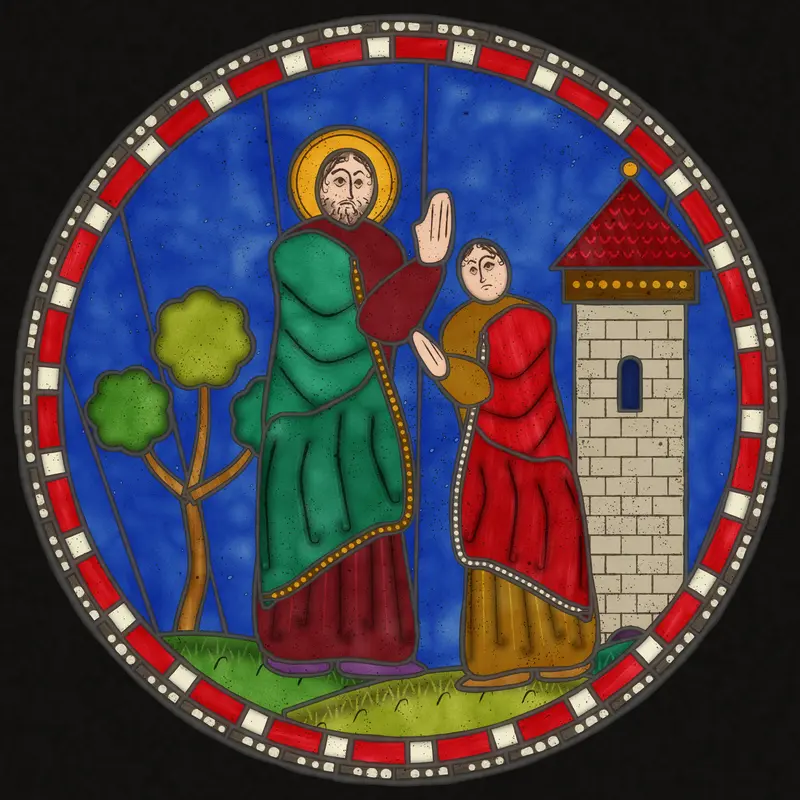
Hortus
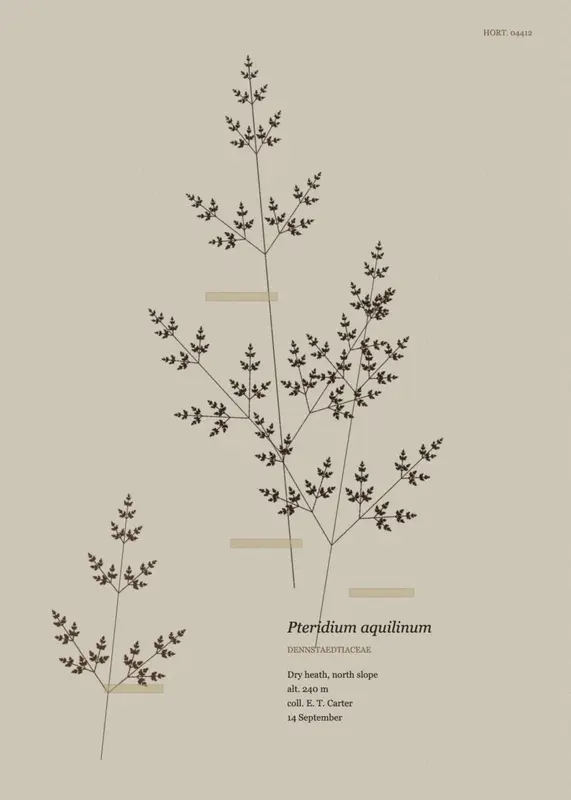
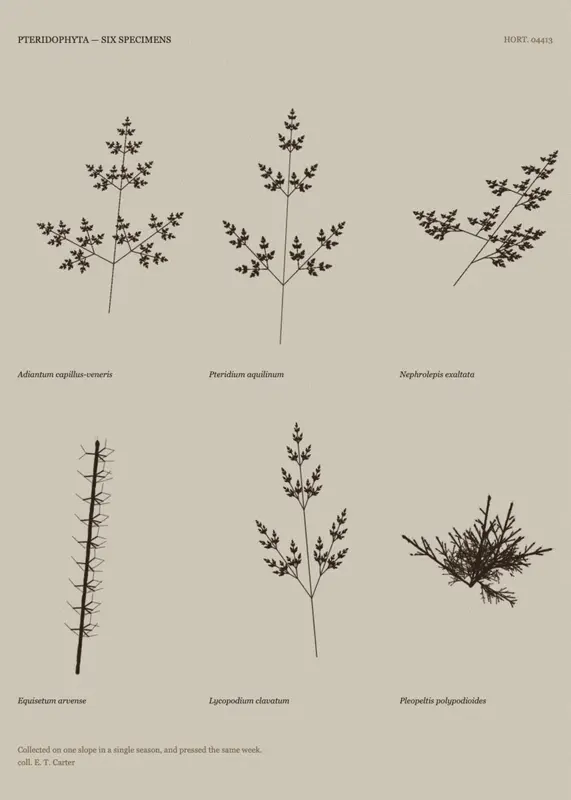
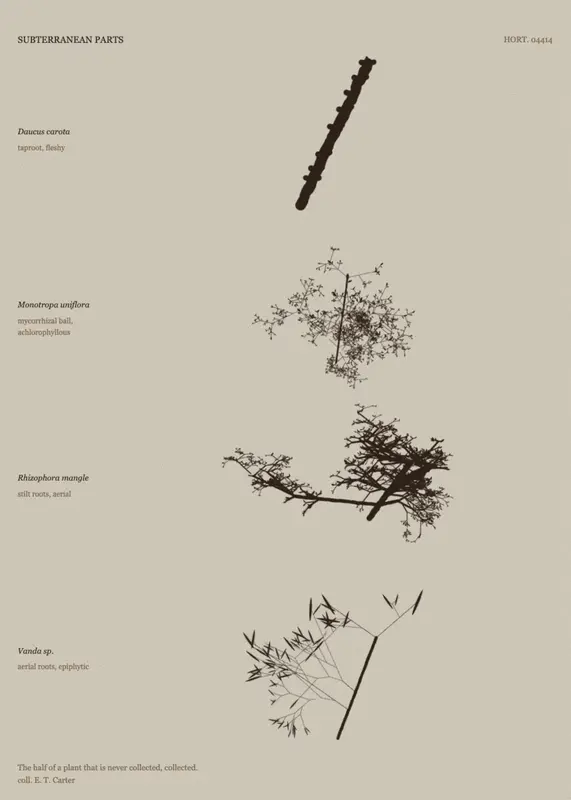
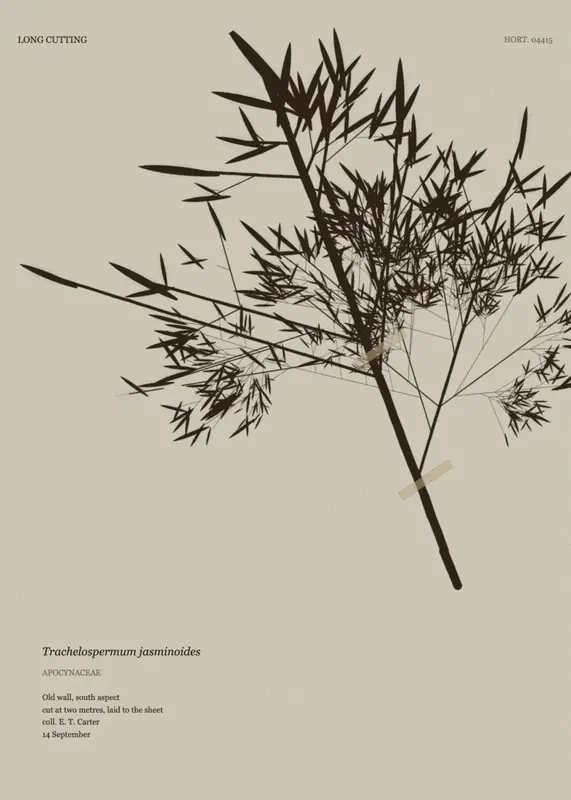
Four herbarium sheets. A specimen is laid on paper, strapped down, named, and filed — and that is the whole of the form. Nothing here is composed: the specimen goes where specimens go and the label goes where labels go, and what changes between one sheet and the next is the plant, not the layout. There is no green in the series, because a plant dried on a sheet for a century is brown.
Lamplight
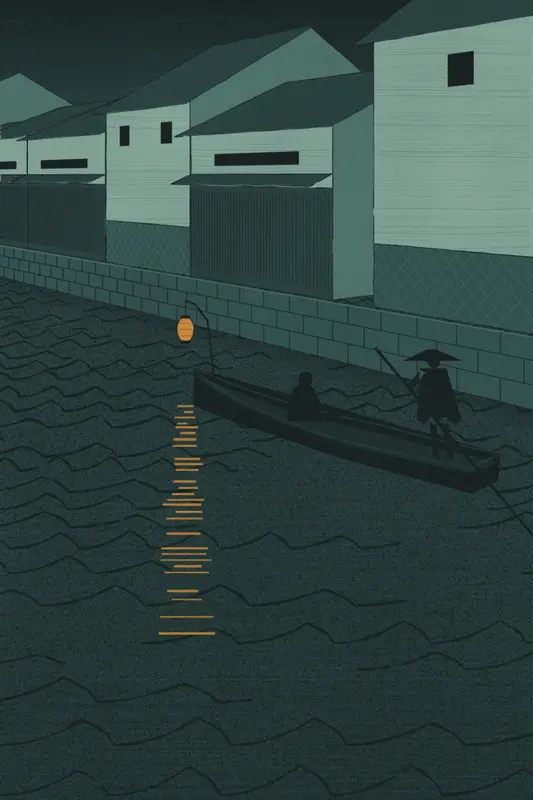
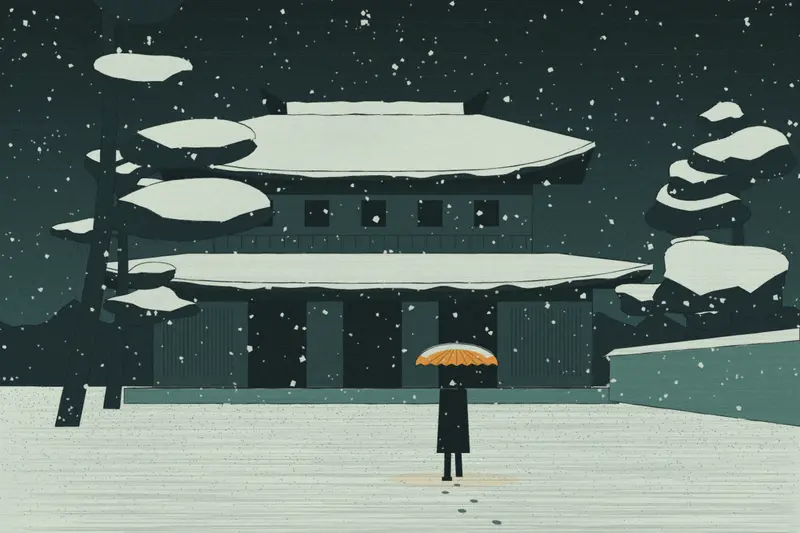
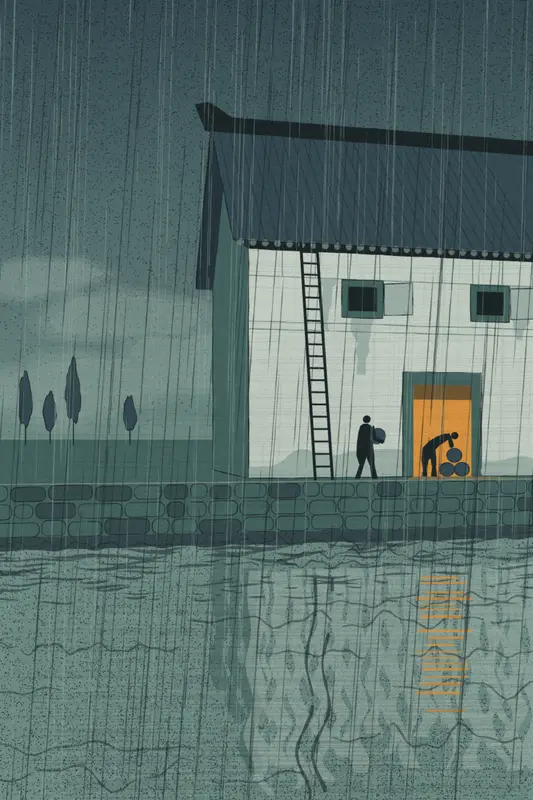
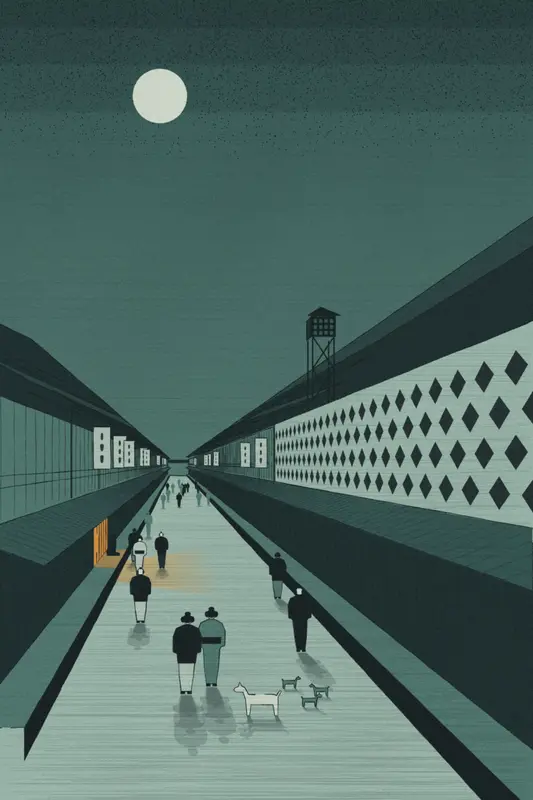
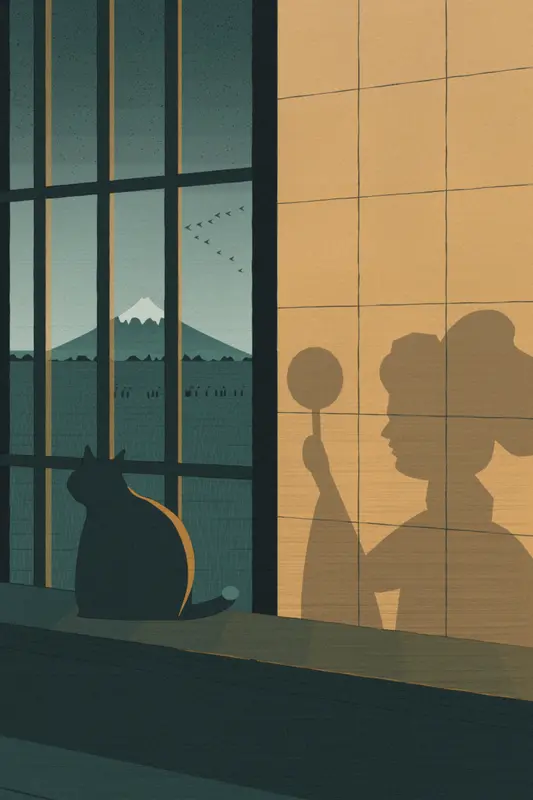
Towns at night and in weather, built the way a woodblock print is built: flat blocks of colour, one cool key, and exactly one warm light in each frame, always where the people are, repeated in the water below it. Everything is placed through one camera, so the houses, the quay, the boat and the figures agree on a horizon and on the size their distance gives them.
Strata
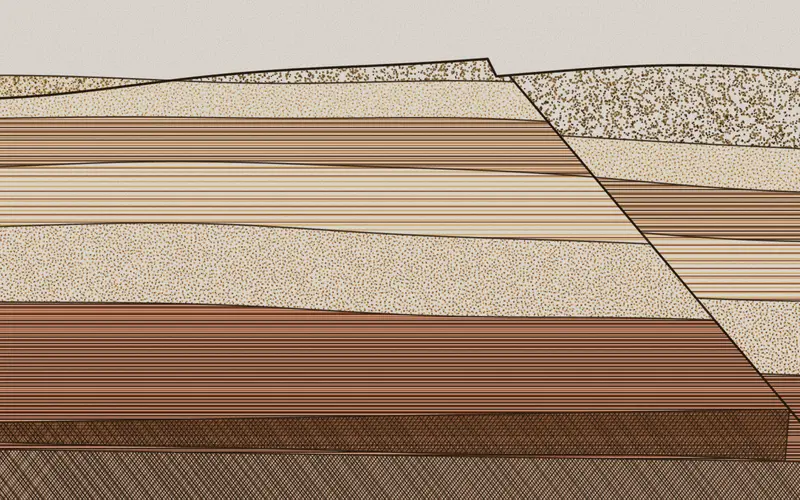
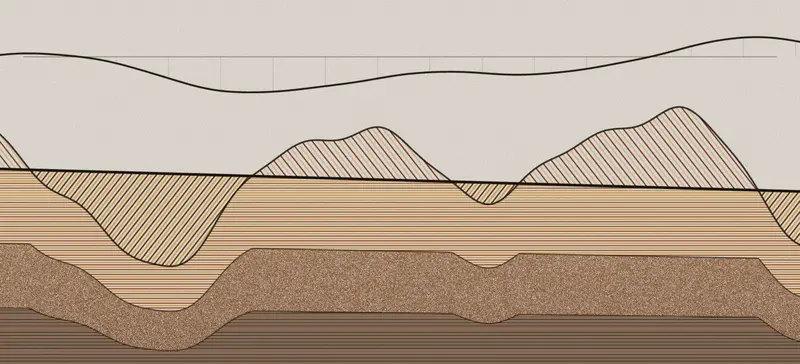
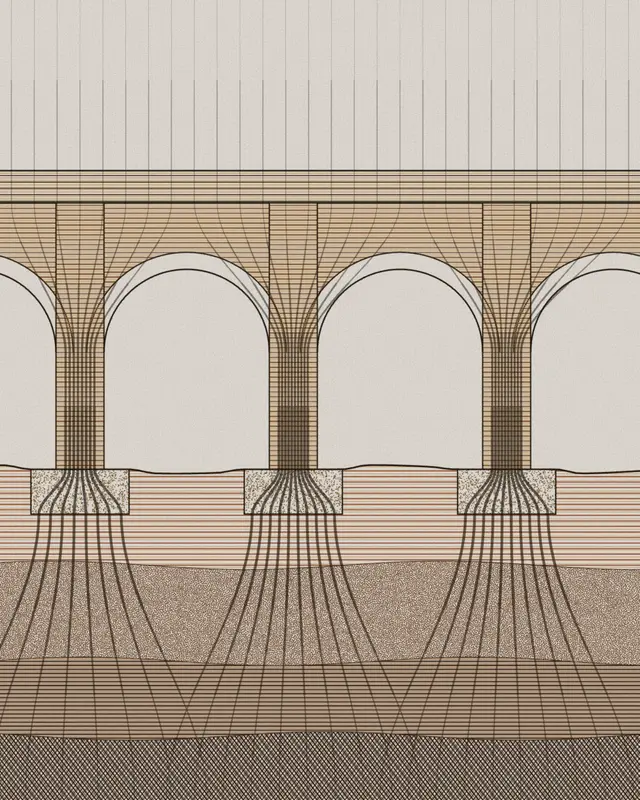
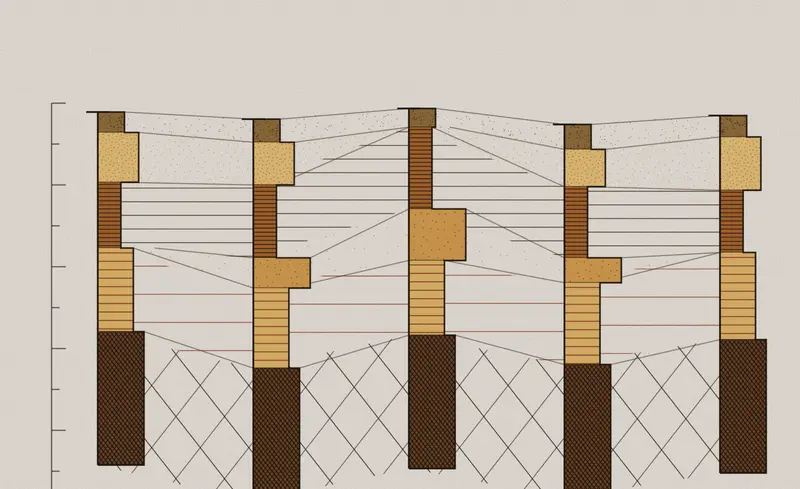
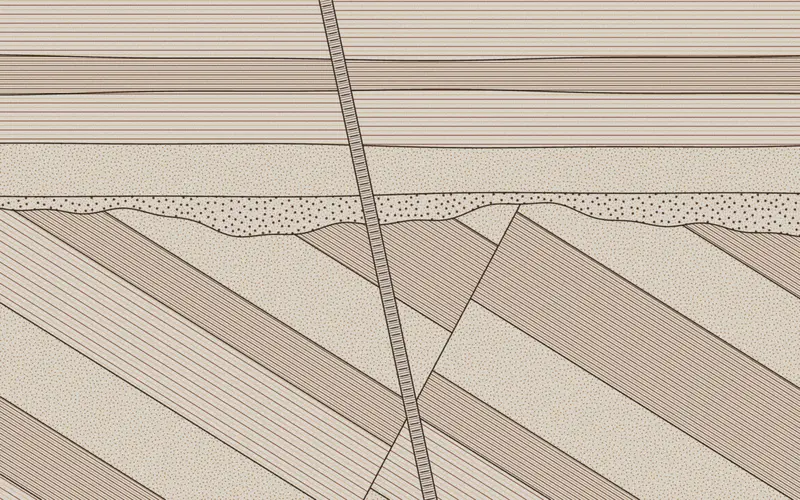
Five plates of ground, drawn the way ground is drawn when someone intends to build on it or dig through it. Flat ochre and oxide, hard edges, no atmosphere to hide in. Each plate borrows a convention from measured drawing and then obeys it without exception: lithology chooses the hatch, hatch angle declares whether earth is being taken away or put back, line weight states how much load a line is carrying, weight separates the ground someone has actually seen from the ground that is only inferred, and whether a line runs on or stops says which of two features came first. Nothing in these frames varies for effect. If a mark changes, it changes because the thing it describes changed.
Tidewater
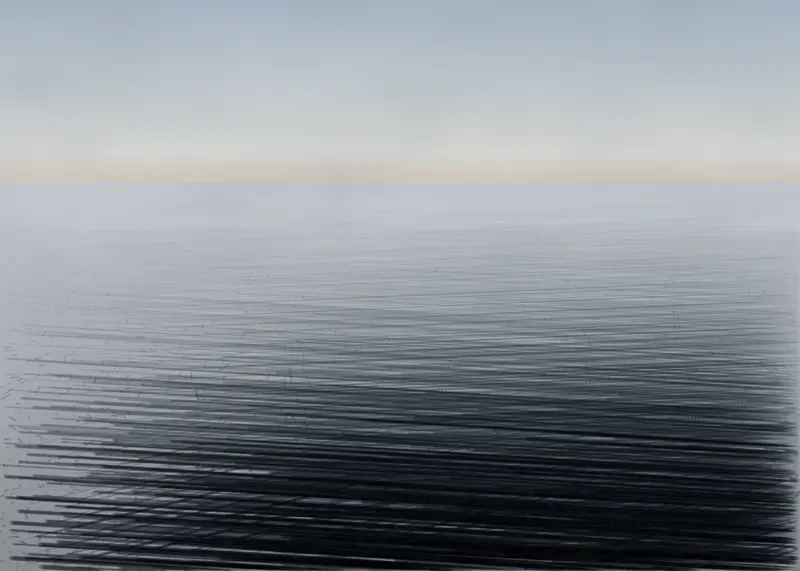
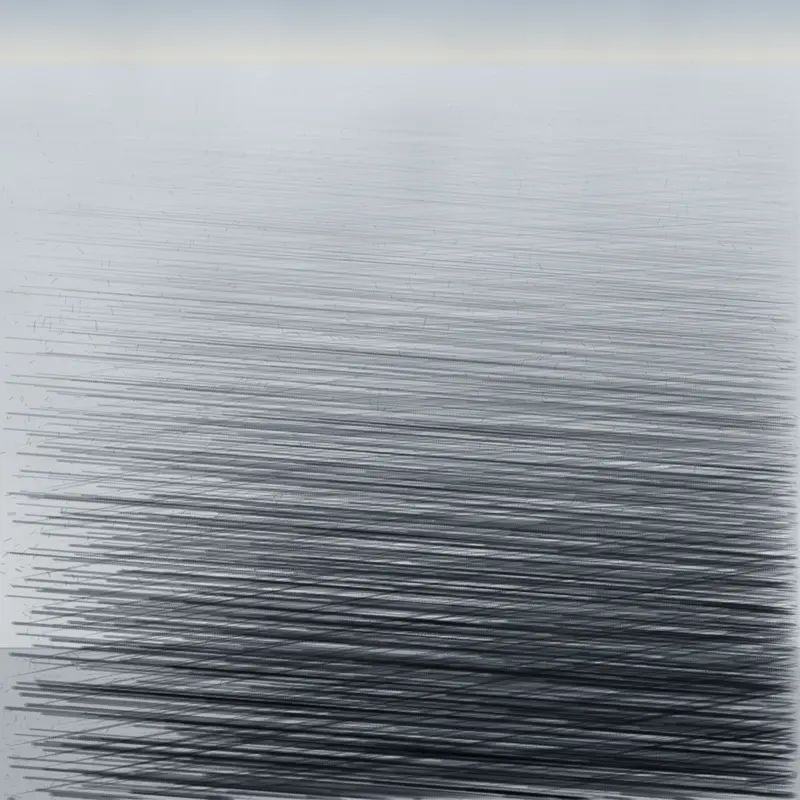
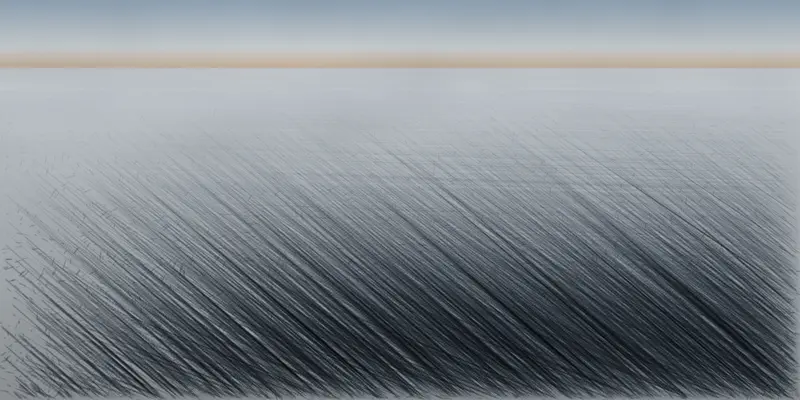
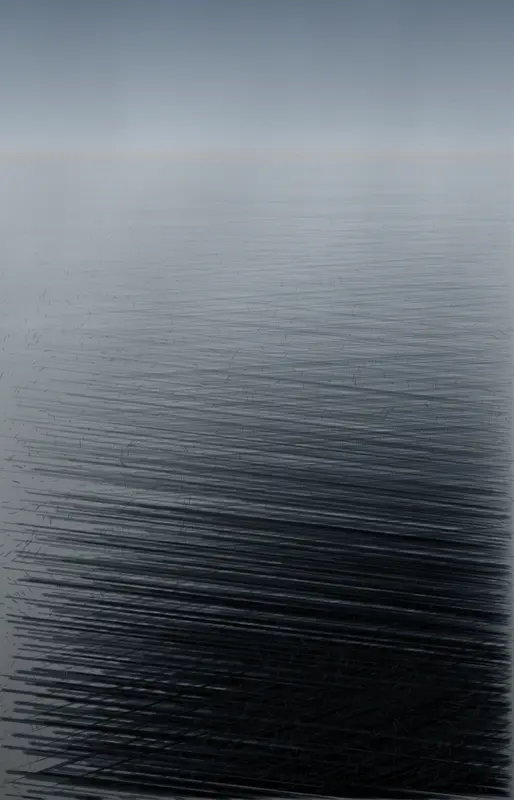
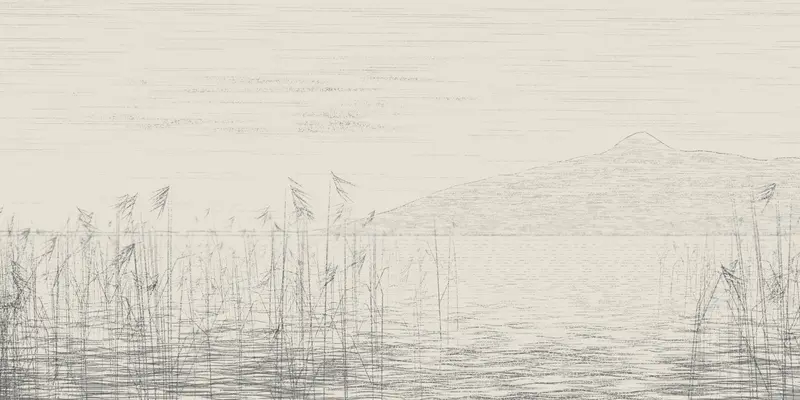
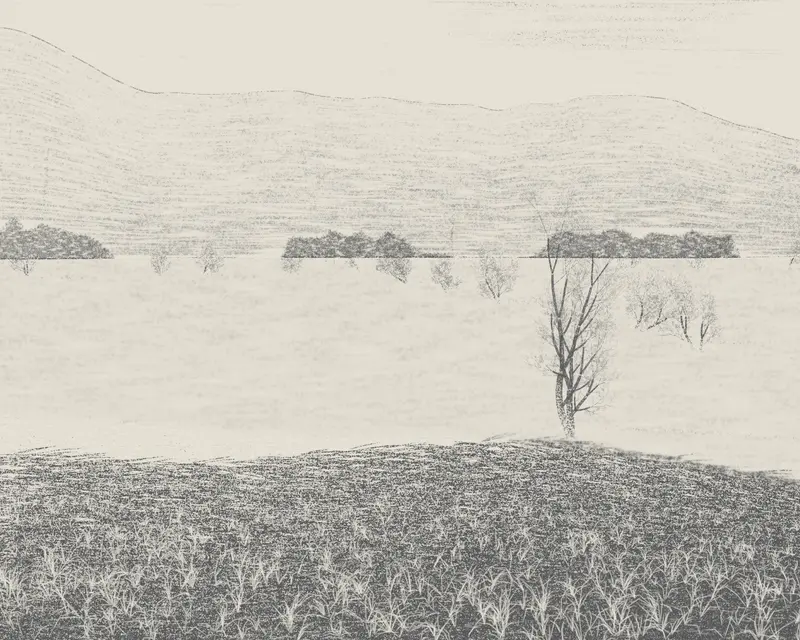
Estuary and coastline at four states of light. One palette of cool greys and paper, with a single warm ochre that appears only where light lands on water. Each piece stands somewhere different and is framed differently — across open water, down into it, out over drained flats, low and close to the surface — and the restraint is held in the palette and the marks rather than the camera. Every value in every piece is made of the same ink in the same language, and the only warm note appears where light lands on water.
Weather Book
Plein-air pencil landscapes in the manner of Constable's weather sketches, where the weather is the subject and the land is what it acts on. Every sheet is drawn in graphite on warm paper: soft lead used lightly catches only the grain, hard lead used firmly goes smooth, the heaviest lead polishes to a silvery sheen, and nothing reaches black. Distance is drawn with fewer marks and harder lead, never with grey, and each scene is placed through one camera.
Renderer Demos
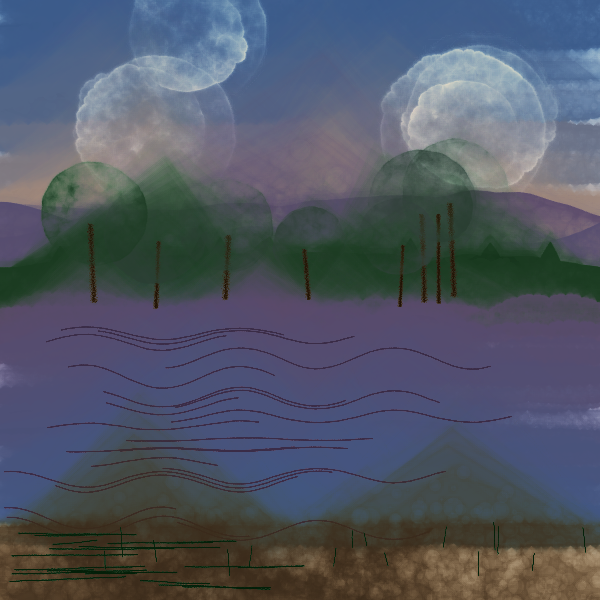
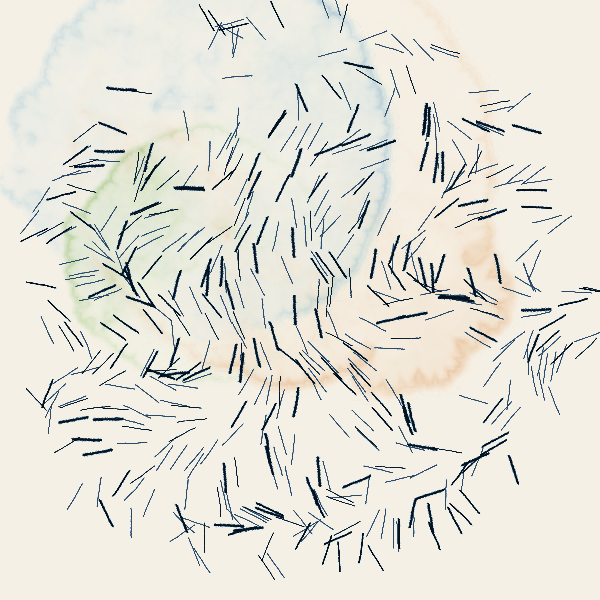
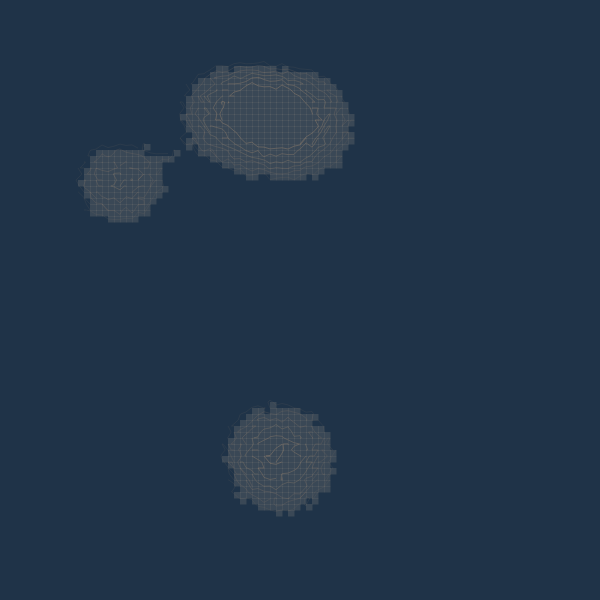
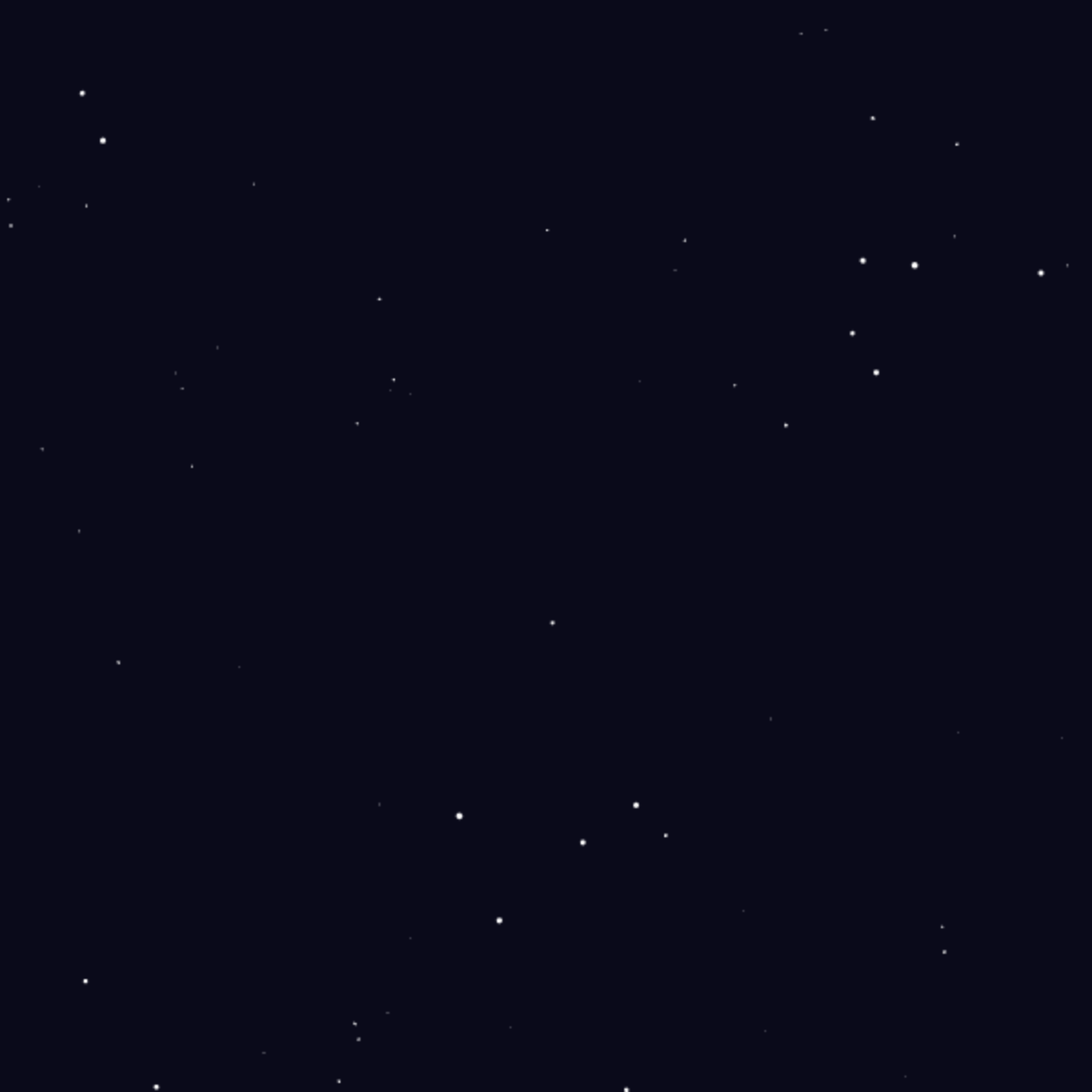
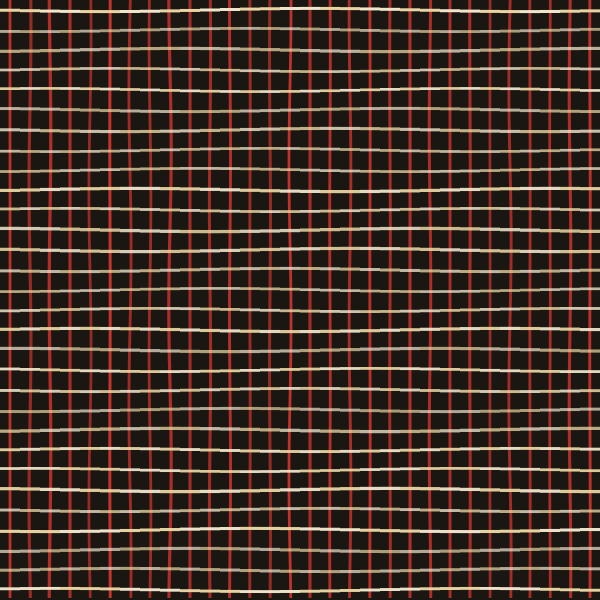
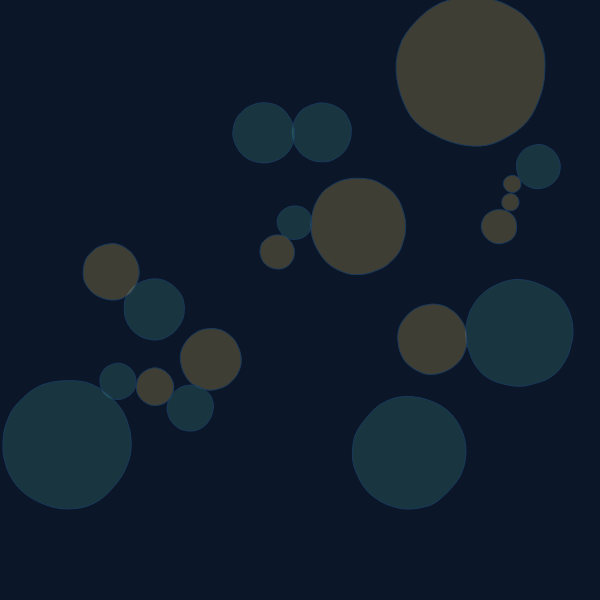
Short sketches showing each engine on its own, across six rendering engines. These are reference material for the format and the CLI rather than finished work.
Abstract Flow Field
Archipelago
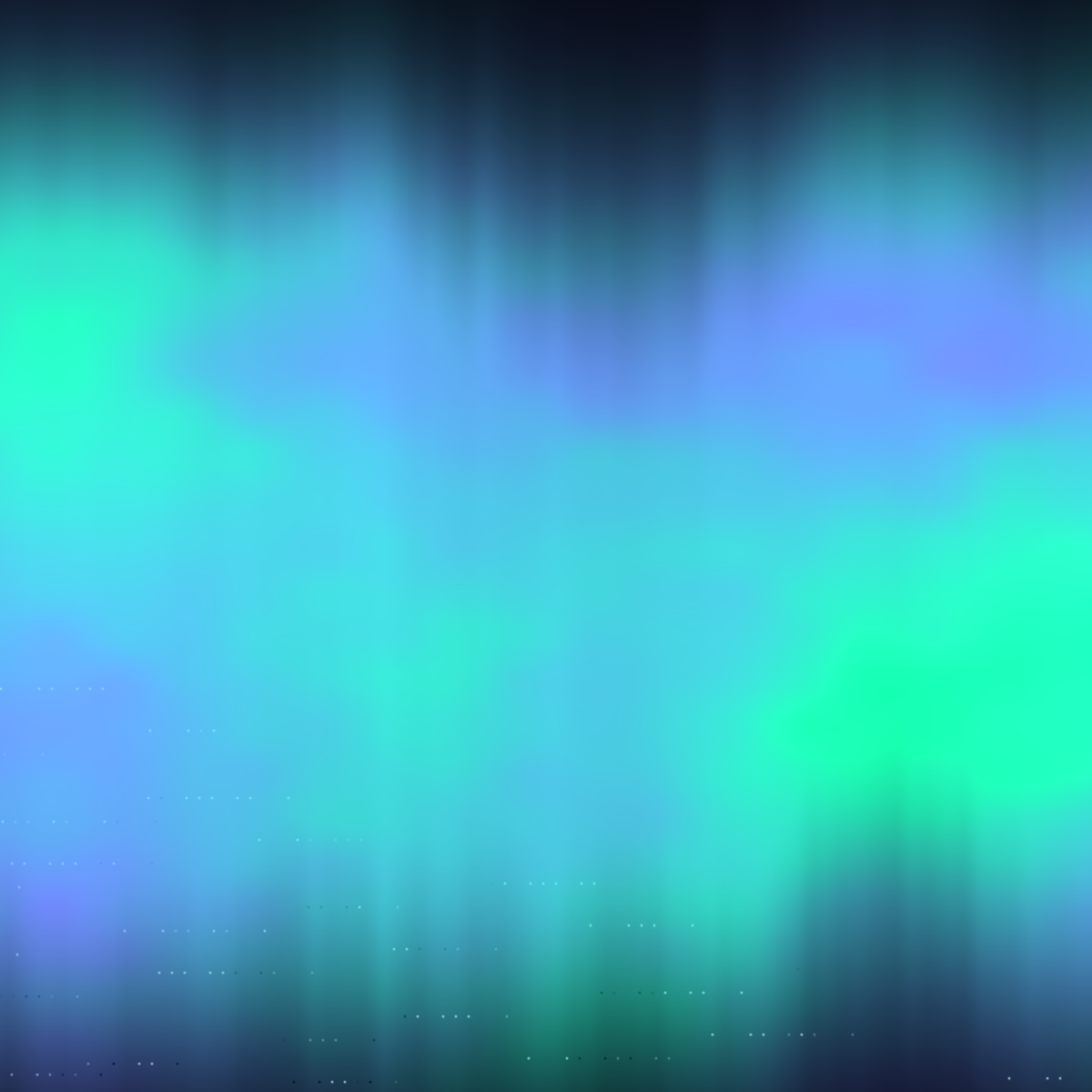
Aurora
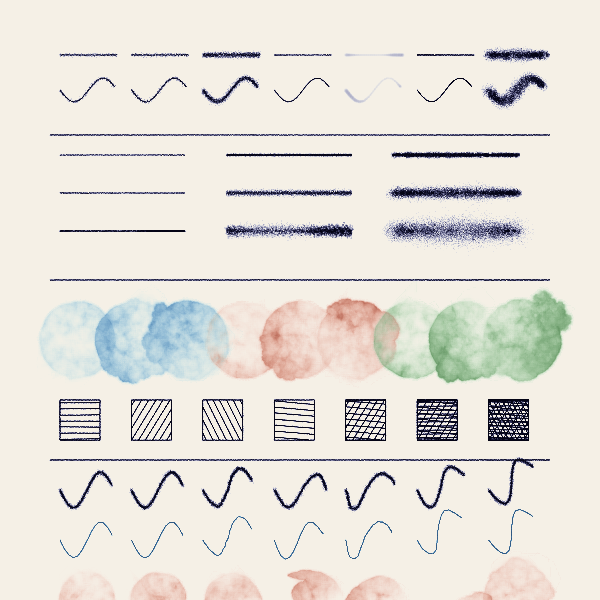
Brush Catalog
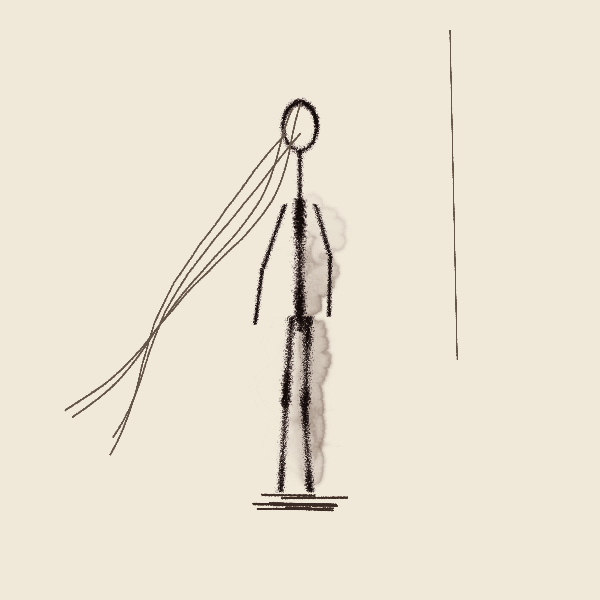
Charcoal Gesture
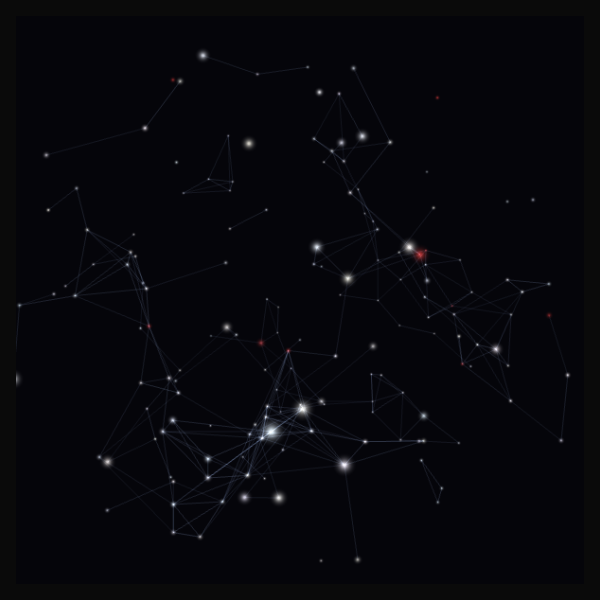
Constellation
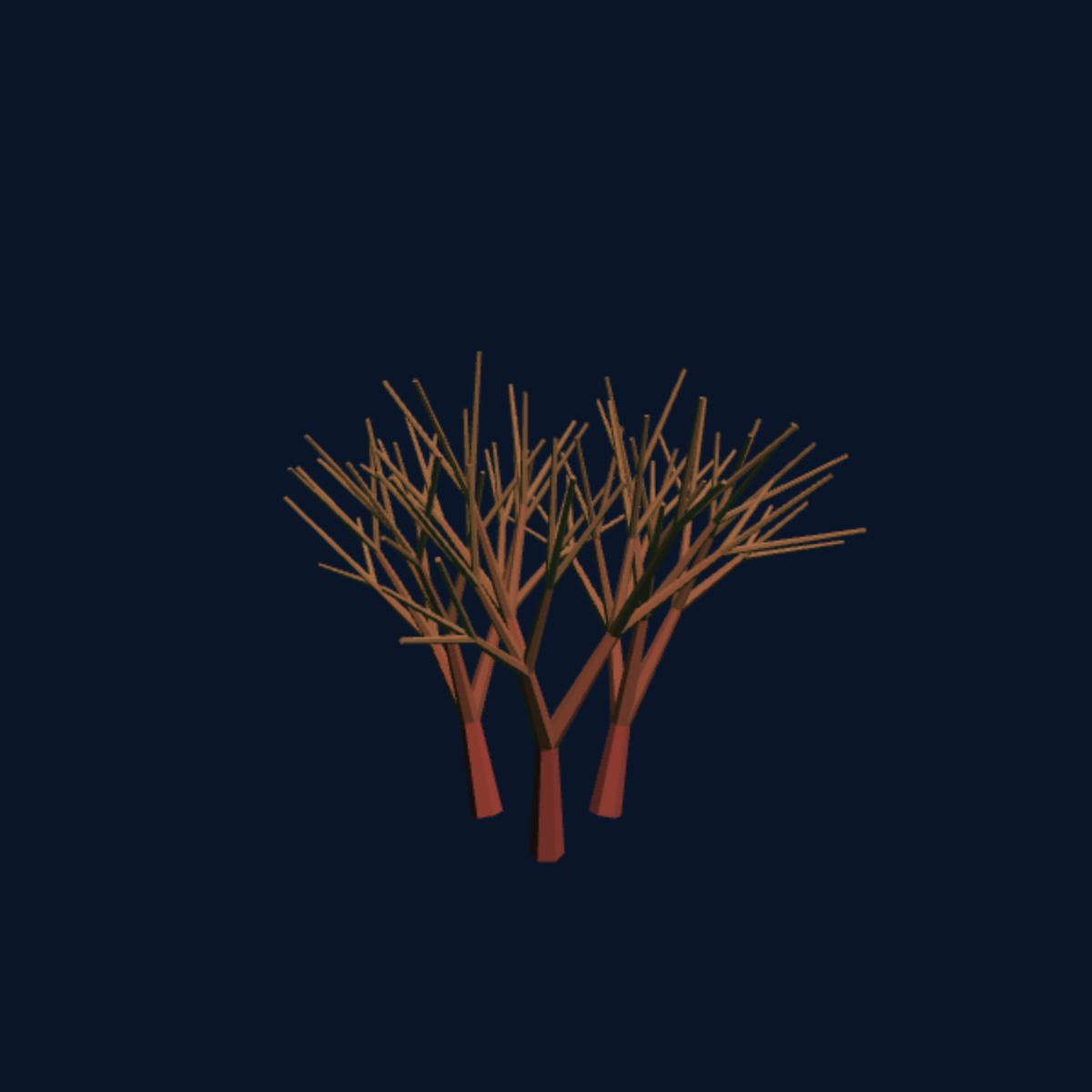
Coral
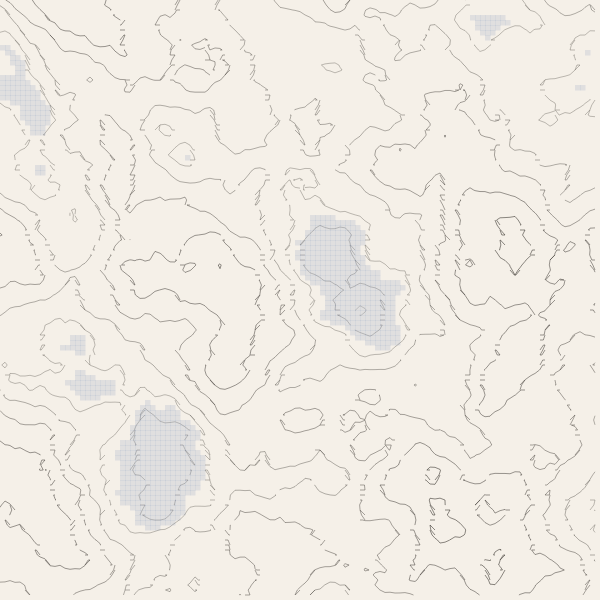
Erosion
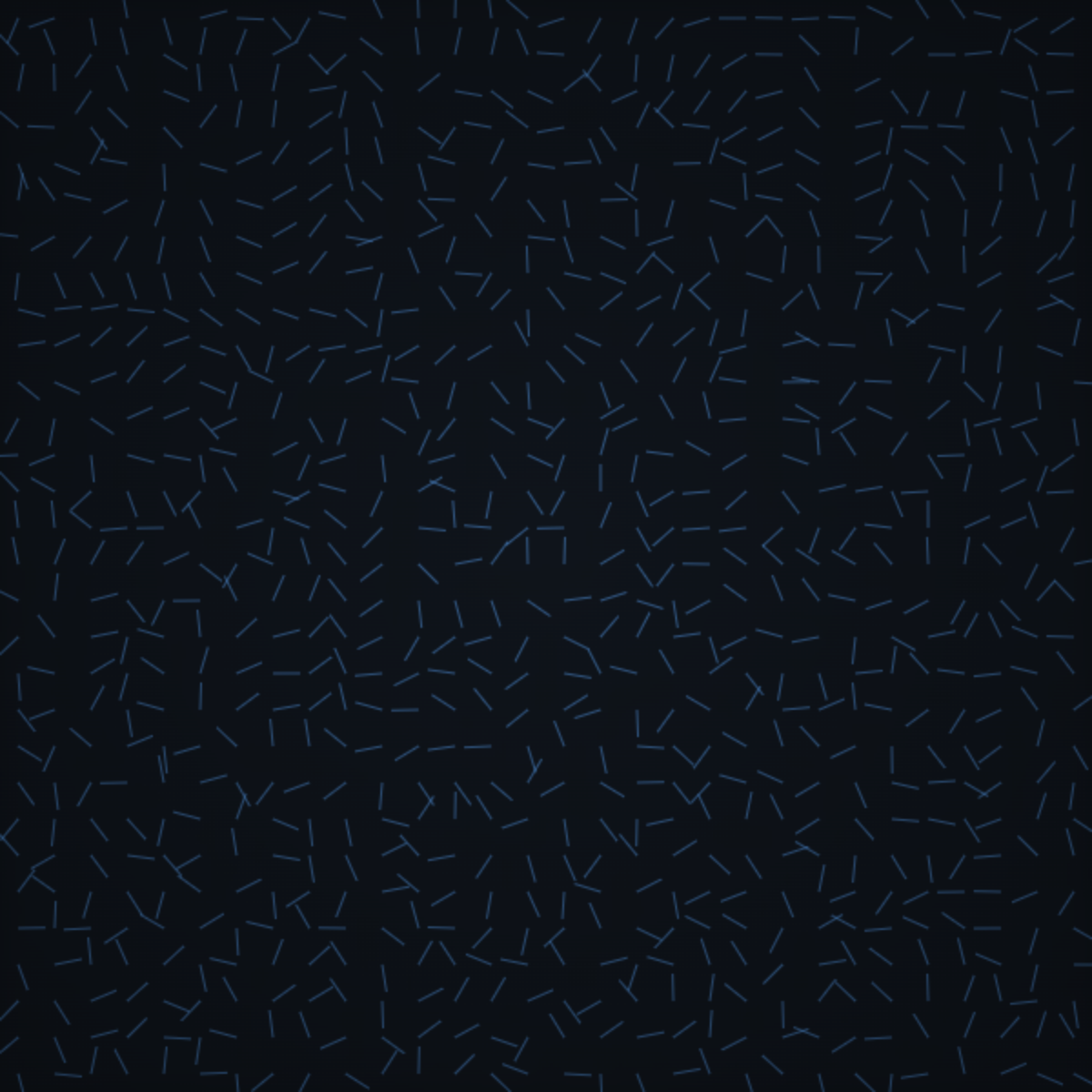
Flow Field
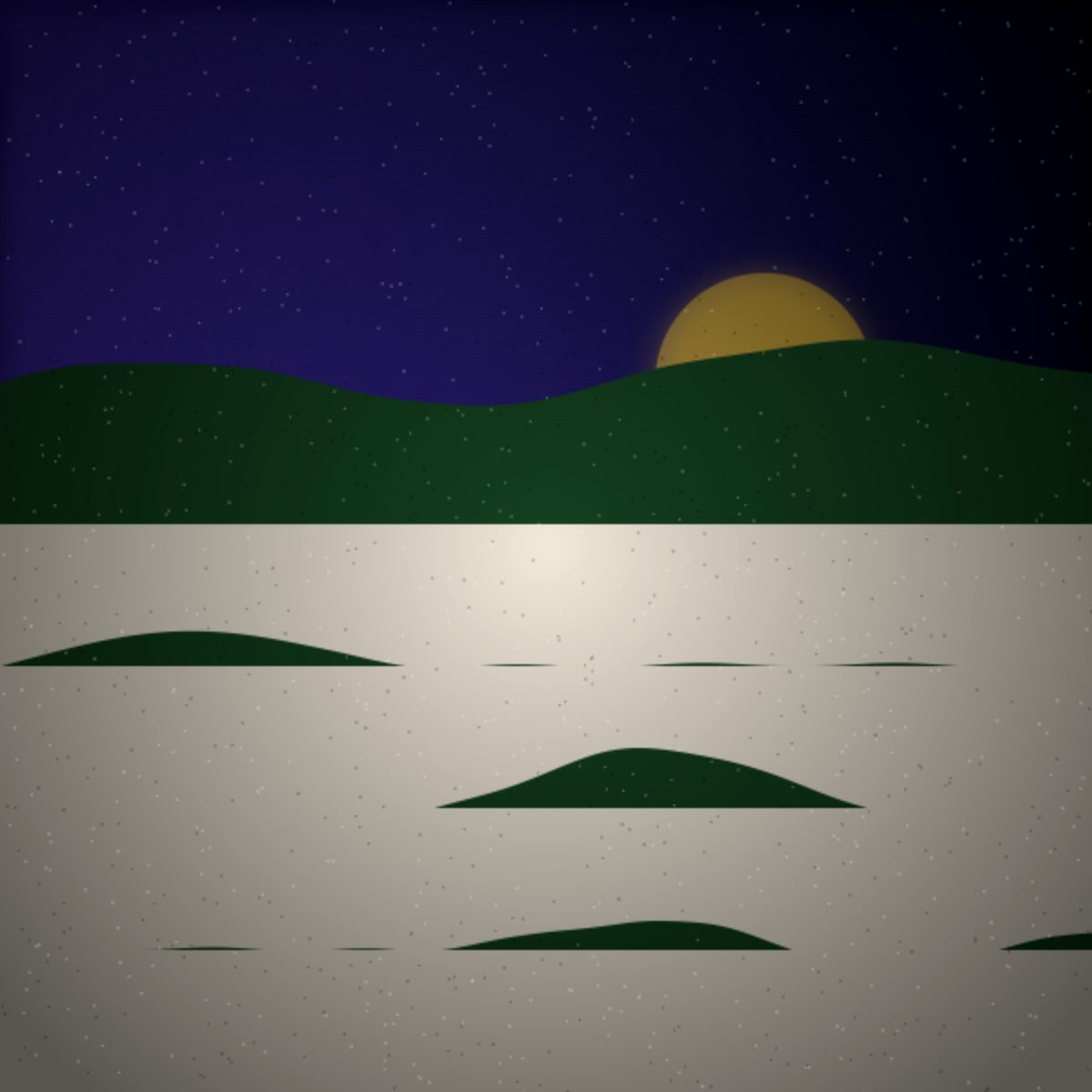
Generative Landscape
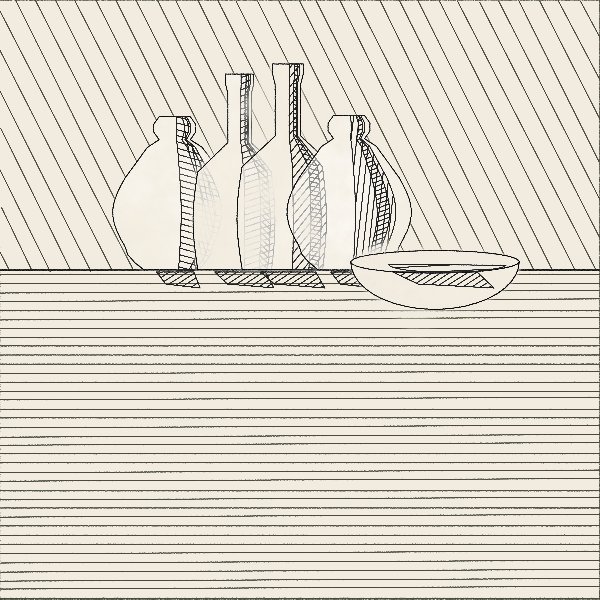
Hatched Still Life
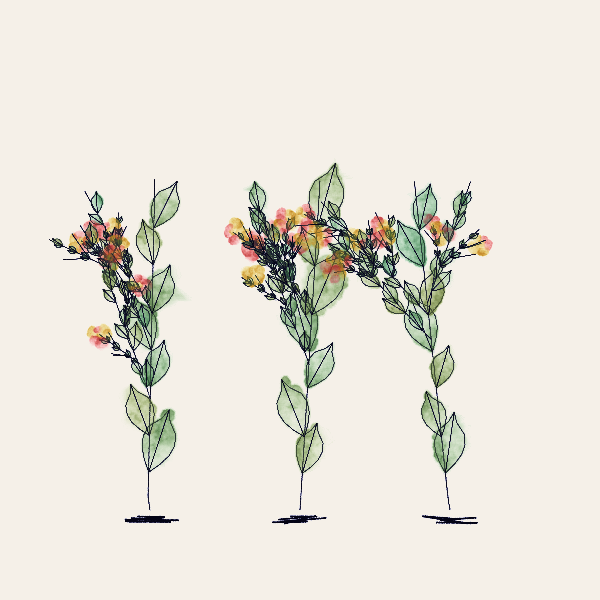
Ink Botanicals
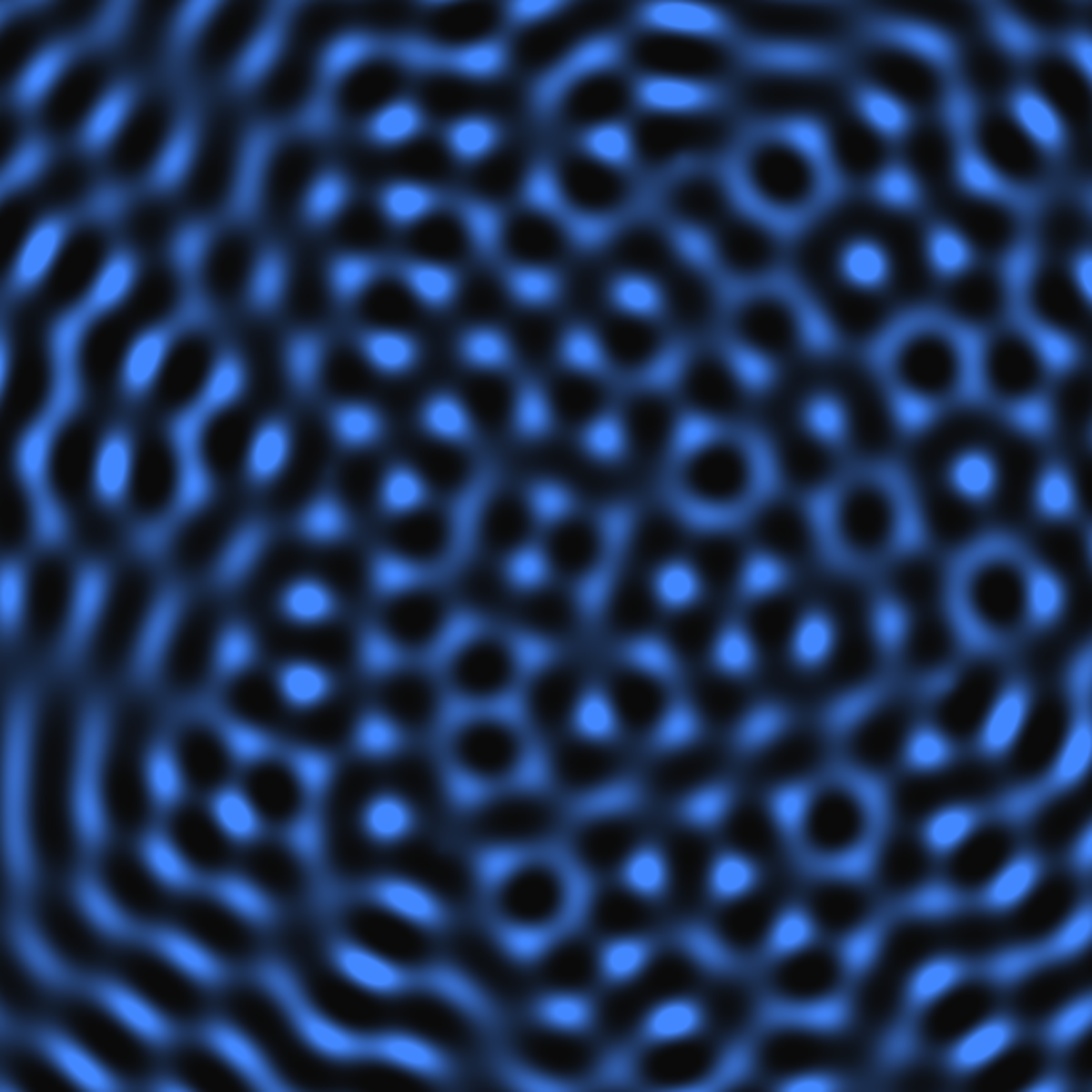
Interference
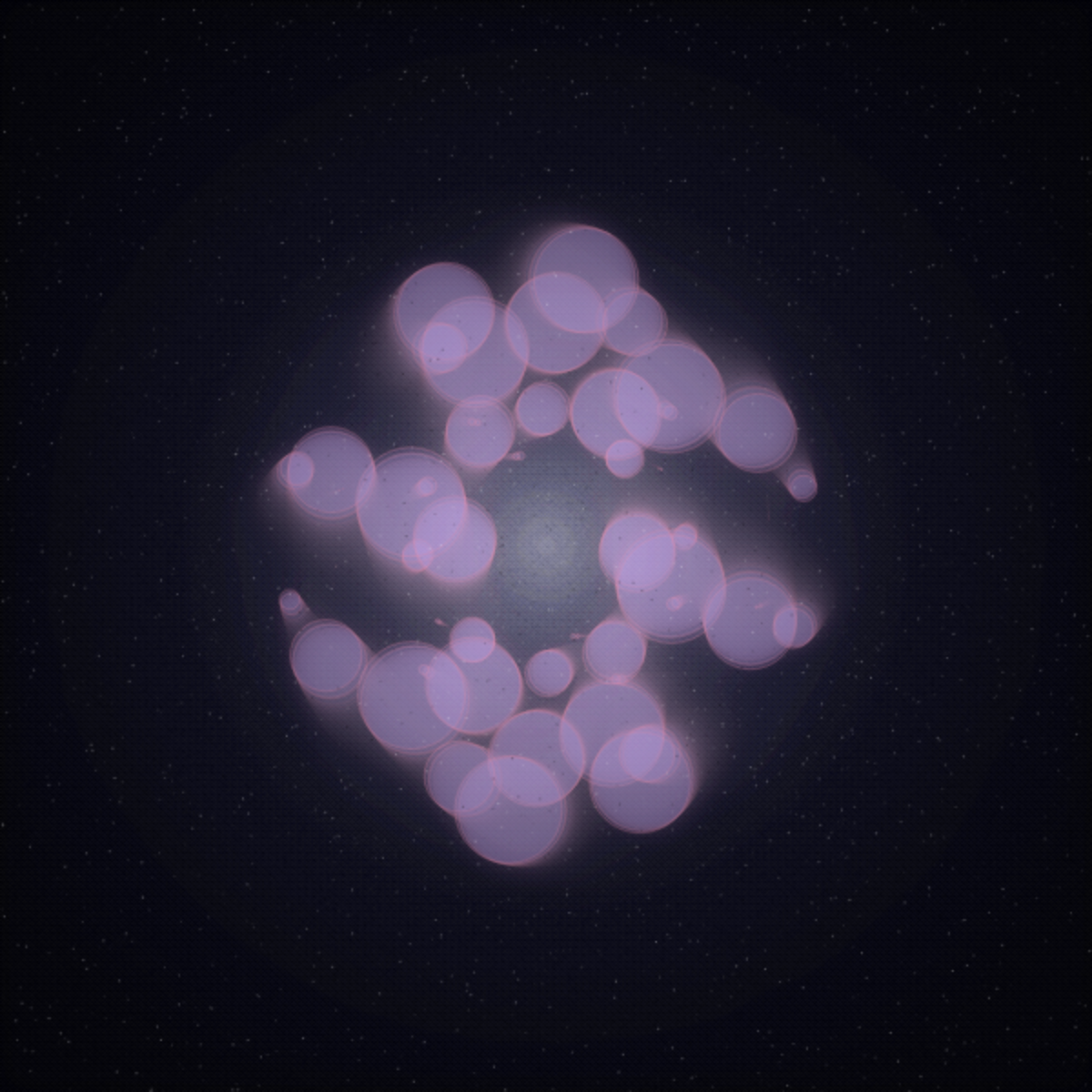
Kitchen Sink
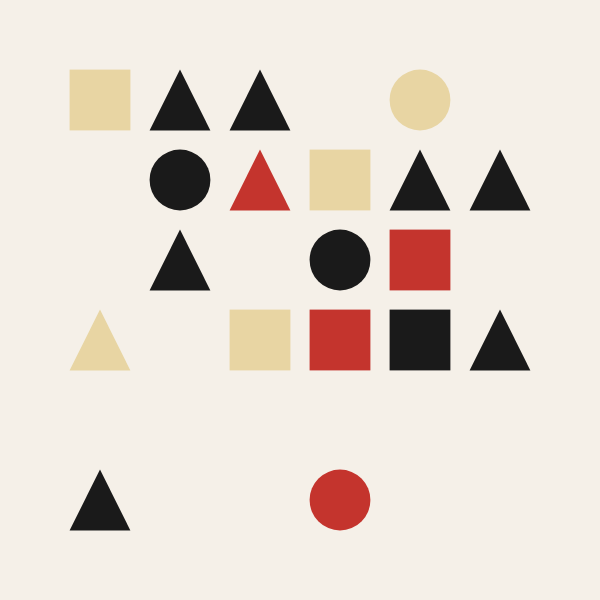
Letterpress
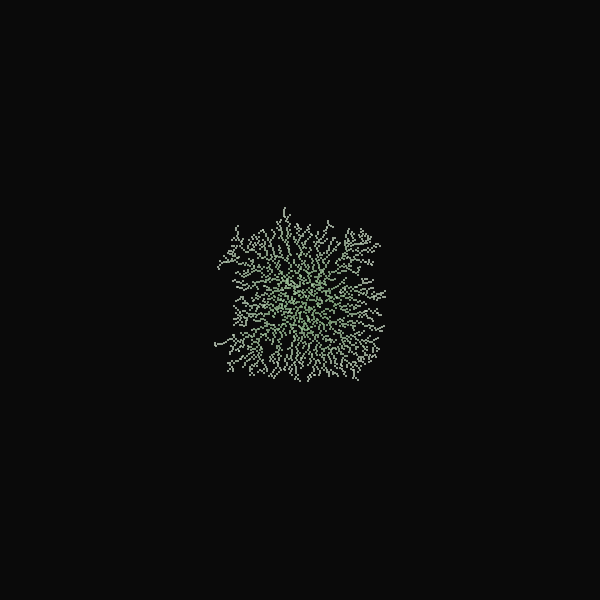
Lichen
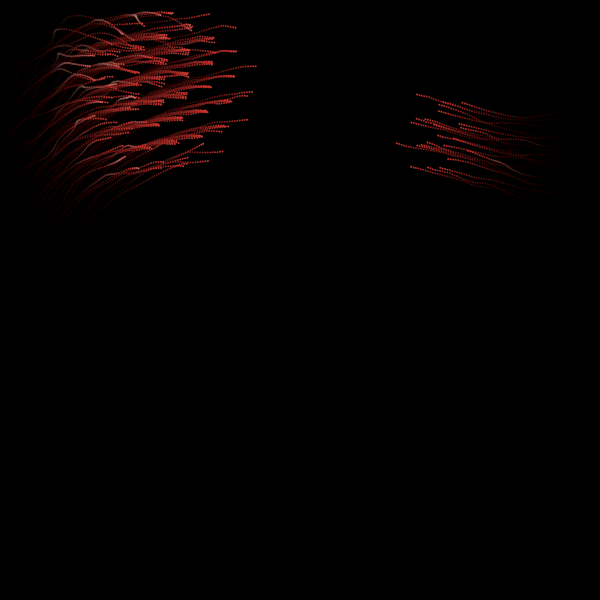
Murmuration
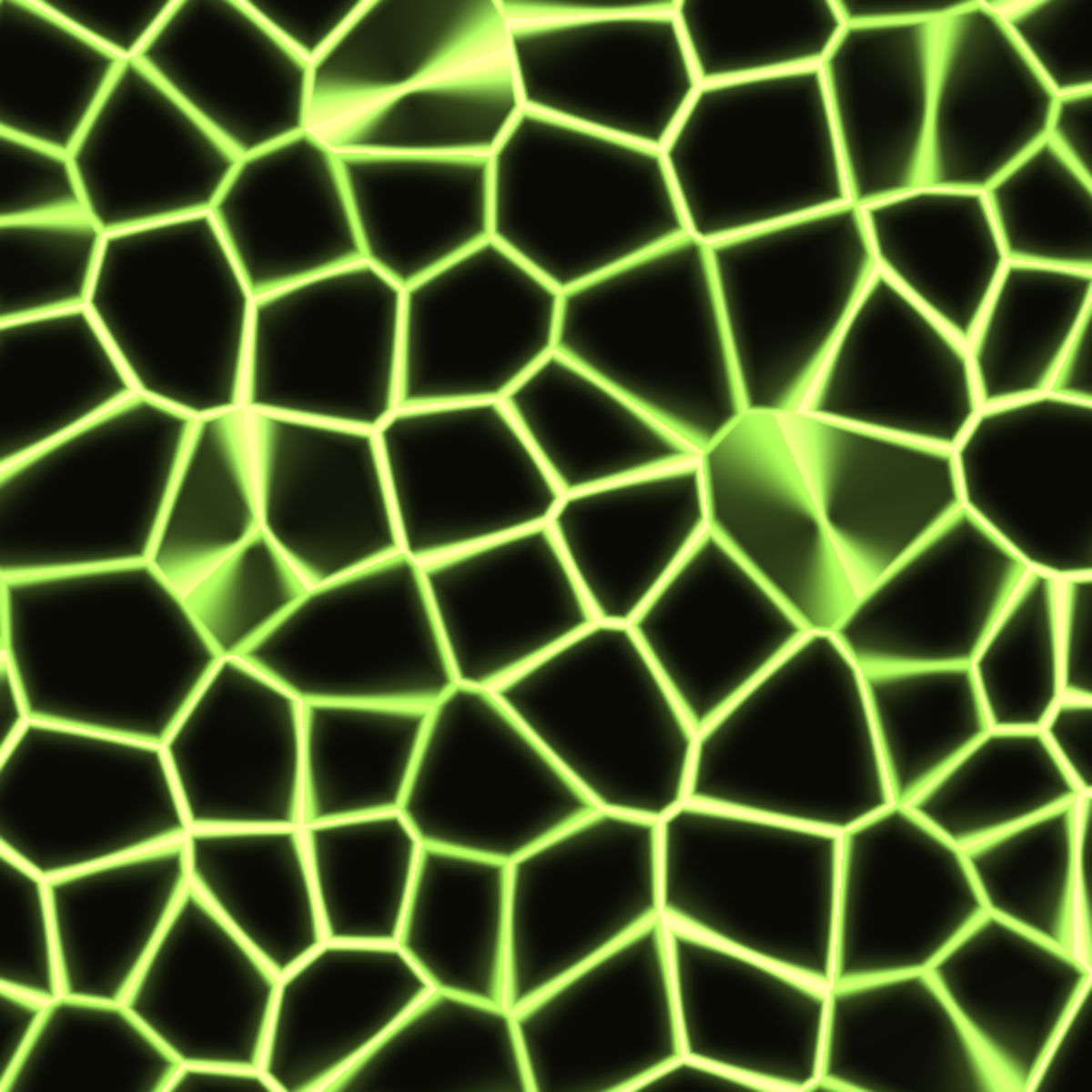
Mycelium
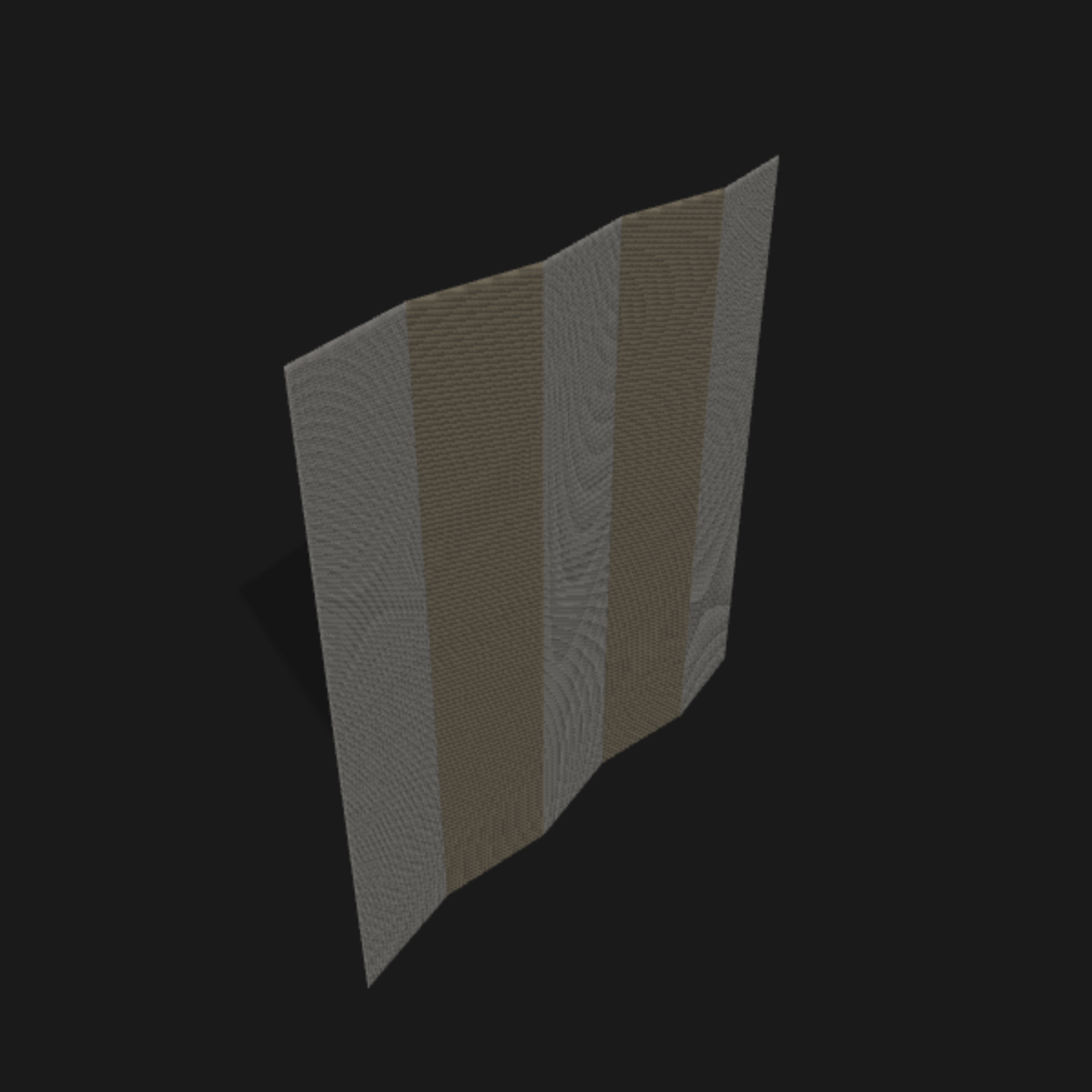
Origami
Particles
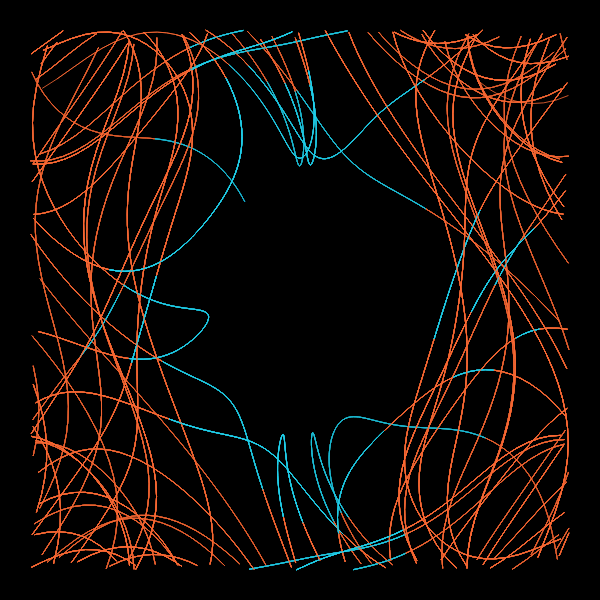
Phase Space
Ripple
Starfield
Textile
Tide Pool